
Views: 0 Author: Site Editor Publish Time: 2025-12-29 Origin: Site


When it comes to installing roofing materials, choosing the right fastener is crucial for ensuring durability and long-lasting performance. Roofing screws are widely used in both residential and commercial construction projects for their strong hold and corrosion resistance. However, one common question that arises during the installation process is whether pre-drilling is necessary before using roofing screws. This article will explore the role of pre-drilling in roofing screw installation, the types of screws available, and provide insights into when and why pre-drilling might or might not be necessary.
Roofing screws are specifically designed to secure roofing panels, metal sheets, and other materials to the underlying structure. They typically feature a sharp, self-tapping point, which is designed to penetrate metal, wood, or other materials without the need for pre-drilling. This makes them a popular choice for both professional contractors and DIY enthusiasts due to their ease of use and efficiency. However, despite the self-tapping feature, certain conditions may still require pre-drilling.
Roofing screws are designed to provide secure fastening for a variety of roofing materials. These screws are equipped with a sharp point that allows them to tap into the material as they are driven, which is often sufficient for many applications. However, there are several factors that can influence whether pre-drilling is necessary. Pre-drilling is sometimes required to ensure proper installation and longevity of the roof, while in other cases, it is completely unnecessary. In this section, we will dive deeper into the conditions under which pre-drilling might be required or omitted.
The type of material you're fastening into plays a significant role in whether or not pre-drilling is necessary. Roofing screws are generally designed for use with materials such as metal, wood, and fiberglass. Here's how different material types can impact the installation process:
Metal Roofs: For metal roofing, many self-tapping roofing screws are capable of penetrating the material without the need for pre-drilling. These screws feature a sharp, pointed end that allows them to drill through the metal, making them ideal for this type of application. However, if the metal is particularly thick or has a high tensile strength, pre-drilling can help avoid damaging the screws or stripping the threads, as thicker metals may resist penetration. For example, thicker steel or aluminum sheets can cause excessive friction, potentially damaging the screw or affecting the hold.
Wood Substrates: When installing roofing screws into wood, pre-drilling is often recommended to prevent splitting or cracking of the wood, especially when working with hardwoods or when screws are driven close to edges. Wood is a natural material that can behave unpredictably when penetrated by sharp screws, and pre-drilling creates a controlled pathway for the screw to follow, reducing the likelihood of damage. For softwoods, pre-drilling may not be necessary, but for hardwoods like oak or maple, it is crucial to ensure a clean installation.
Fiberglass or Plastic: For more fragile materials like fiberglass or plastic, pre-drilling is advised to prevent cracking. These materials are particularly vulnerable to stress, and the sharp, self-tapping point of roofing screws may cause fractures if not guided properly. Pre-drilling helps to create a smooth and controlled entry point, allowing the screw to enter the material without causing cracks or splits. This is especially important when dealing with older, brittle materials or when working in environments that require extra care.
Roofing screws come in various types and sizes, each tailored for specific applications. Self-tapping screws are the most common choice for roofing applications, but their effectiveness can vary depending on the size and design of the screw. Larger screws, for instance, often require more force to drive into tougher materials and might benefit from a pre-drilled hole to ensure smoother installation. Below is a breakdown of how screw types and sizes influence the decision to pre-drill:
Self-Drilling Screws: These screws have a drill-like point designed to pierce the material without pre-drilling. Self-drilling screws are generally sufficient for most metal roofing applications, as they can easily pierce through standard metal gauges without the need for a pilot hole. However, thicker metal (e.g., 18-gauge or heavier) might still require pre-drilling to prevent excessive stress on the screw, which could lead to breakage or a poor fit. Additionally, self-drilling screws are not always effective for materials like wood or fiberglass, where pre-drilling is often necessary.
Self-Tapping Screws: These screws are equipped with threads that cut into the material as the screw is driven. This makes them suitable for a range of materials, including wood and metal. When used on softwood or thinner metals, pre-drilling may not be necessary, but for tougher materials or thicker substrates, it may still improve the installation process. Self-tapping screws are versatile but may struggle with very dense materials or materials with high resistance, where pre-drilling can reduce the force required for proper installation.
The thickness of the material being fastened plays a crucial role in determining the need for pre-drilling. For thinner materials, the roofing screw is more likely to penetrate without the need for a pilot hole. However, with thicker materials, the screw may encounter more resistance, and pre-drilling will help ensure the screw is driven in correctly without excessive force that could cause breakage or thread stripping.
In regions with extreme weather conditions, such as high winds or heavy rain, roofing screws need to be installed securely to ensure the integrity of the roof. In such conditions, pre-drilling may be beneficial in preventing the screw from pulling out or loosening over time. Additionally, pre-drilling can help to avoid cracking or warping of materials under the pressure of installation, ensuring a more stable and long-lasting roof.
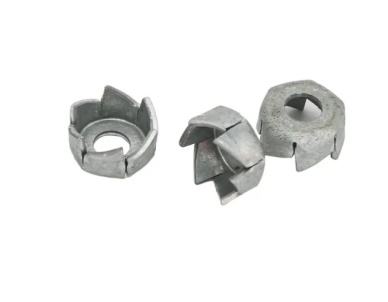
While roofing screws are designed to be self-tapping, there are several benefits to pre-drilling, depending on the materials and conditions of the project. These benefits include:
Better Control and Accuracy: Pre-drilling ensures that the screw goes in straight and at the correct angle, preventing misalignment that could compromise the roof's strength.
Less Stress on the Material: Pre-drilling reduces the risk of damaging the material, especially when working with softer woods, metals, or fragile materials.
Improved Holding Power: By creating a pilot hole, the screw is able to grip the material more securely, which is especially important in environments with heavy wind or rain.
Prevention of Material Damage: In certain materials like wood or fiberglass, pre-drilling prevents cracking or splitting that could otherwise occur from the screw's sharp point.
In many cases, pre-drilling is not necessary when using roofing screws, particularly with the following conditions:
Thin Materials: For thin metals, softwoods, or plastic roofing, the self-tapping ability of roofing screws is usually enough to provide a secure hold without pre-drilling.
Speed of Installation: Pre-drilling can slow down the installation process, so when time is a factor and the materials are suitable for self-tapping screws, skipping the pre-drilling step can speed up the process.
Material Type | Pre-Drill Required? | Reason |
Metal (thin gauge) | No | Self-tapping screws can handle thin metal |
Metal (thick gauge) | Yes | Prevents screw damage and ensures secure hold |
Wood (softwood) | No | Screws can penetrate easily without damage |
Wood (hardwood) | Yes | Prevents splitting of the wood |
Fiberglass/Plastic | Yes | Prevents cracking and material damage |
The need for pre-drilling when installing roofing screws largely depends on the type of material, screw size, and environmental conditions. For many roofing projects, the self-tapping and self-drilling features of roofing screws make pre-drilling unnecessary, but there are instances where pre-drilling can help improve the accuracy, durability, and overall performance of the installation. If you're unsure whether to pre-drill, consider the material's thickness, screw type, and the potential for material damage.
At Beyond Industry Groups Co., Ltd., we understand the importance of choosing the right fasteners for your roofing project. With years of experience in the industry, we offer a wide range of roofing screws designed for various applications, ensuring that your roofing installation is as secure and efficient as possible.
1. What is the difference between self-tapping and self-drilling roofing screws?
Self-tapping screws create their own threads in the material, while self-drilling screws have a drill-like point that allows them to penetrate without needing a pre-drilled hole.
2. Do roofing screws work on all types of materials?
Roofing screws are effective for many materials, including metal, wood, and fiberglass. However, for harder or thicker materials, pre-drilling may be necessary.
3. Can I install roofing screws without any tools?
Roofing screws generally require a drill or screwdriver to install, though the self-tapping or self-drilling features minimize the need for additional tools like pre-drill bits.
4. How do I prevent screw damage during installation?
Using the right size screw, ensuring the material is suitable for self-tapping screws, and pre-drilling when necessary can help prevent screw damage during installation.


