
Views: 0 Author: Site Editor Publish Time: 2025-10-15 Origin: Site


You do not need to pre-drill if you pick the right roofing screw. The type of screw and what it is made of are important. They help you work faster and make the roof last longer.
Projects with high-density rubber washers finish faster. These washers also stop leaks.
Stainless steel washers do not rust. This helps your roof last longer.
Picking the right screw makes your job easy. It also keeps your roof safe.
Pick self-drilling screws for fast and easy work. They help you finish faster because you do not need to pre-drill.
Use stainless steel screws if the area is humid. These screws do not rust and help your roof last longer.
Pre-drill holes if you use screws that are not self-drilling. This stops damage and makes sure the screws fit well in hard materials.
Pick the right screw for your roofing material. Using the correct screws keeps your roof strong and stops leaks.
Always read and follow the manufacturer's instructions. This helps you avoid errors and get the best results.
When you work on a roof, you want the job to go quickly and safely. In many cases, you do not need to pre-drill holes before installing roofing screws. This is especially true when you use the right screws and follow the advice from manufacturers. Let’s look at the most common situations where you can skip pre-drilling.
Self-drilling screws, sometimes called Tek® screws, have a special drill-shaped tip. This tip lets you drive the screw straight into the material without making a pilot hole first. You save time and effort because the screw does the drilling for you. These screws work well for both metal and wood, but they are most popular for metal roofing.
Tip: Use self-drilling screws when you need to finish a job fast or when you work in tough spots, like overhead or on a sloped roof.
Here are some situations where self-drilling roofing screws help you avoid pre-drilling:
Working on overhead metal roofing panels
Needing a watertight seal to prevent leaks
Installing screws on steep or hard-to-reach roofs
Self-drilling roofing screws can cut installation time by 20–30%. This means you finish faster and save on labor costs, especially on large projects. You also lower the risk of damaging the roofing material because the screw makes a clean hole as it goes in.
Thin metal roofing is one of the easiest materials to work with when you use self-drilling screws. The sharp tip of the screw drills through the thin metal quickly. You do not need to stop and make a pilot hole. This makes the process smooth and efficient.
Self-drilling roofing screws are made to drill into thin metal roofing without pre-drilling.
The design of these screws means you get a tight fit and a strong hold every time.
If you use other common types of roofing screws, you may need to pre-drill. But with self-drilling screws, you can skip this step for most thin metal roofing jobs.
Most major manufacturers of roofing screws say you do not need to pre-drill when you use self-drilling screws on metal roofing. These screws are made to create their own holes, which saves you time and effort. However, if you attach metal roofing to solid wood, pre-drilling can help you keep the screws straight and plan your spacing better.
Cost Factor | Self-Drilling Screws | Self-Tapping Screws |
|---|---|---|
Material Costs | Higher quality materials, more expensive | Standard carbon steel, cheaper |
Production Costs | Complex process, higher costs | Simpler process, lower costs |
Installation Costs | Saves time and labor, reduces costs | Requires pre-drilling, increases costs |
Tool Costs | Requires specialized tools, higher costs | Can use standard tools, lower costs |
Long-Term Use Costs | More durable, lower long-term costs | May need frequent replacement, higher costs |
Note: Always check the instructions from the screw manufacturer. They know what works best for their products and your roofing material.
You can see that using self-drilling roofing screws for metal roofing helps you work faster, saves money, and gives you a strong, leak-free roof.
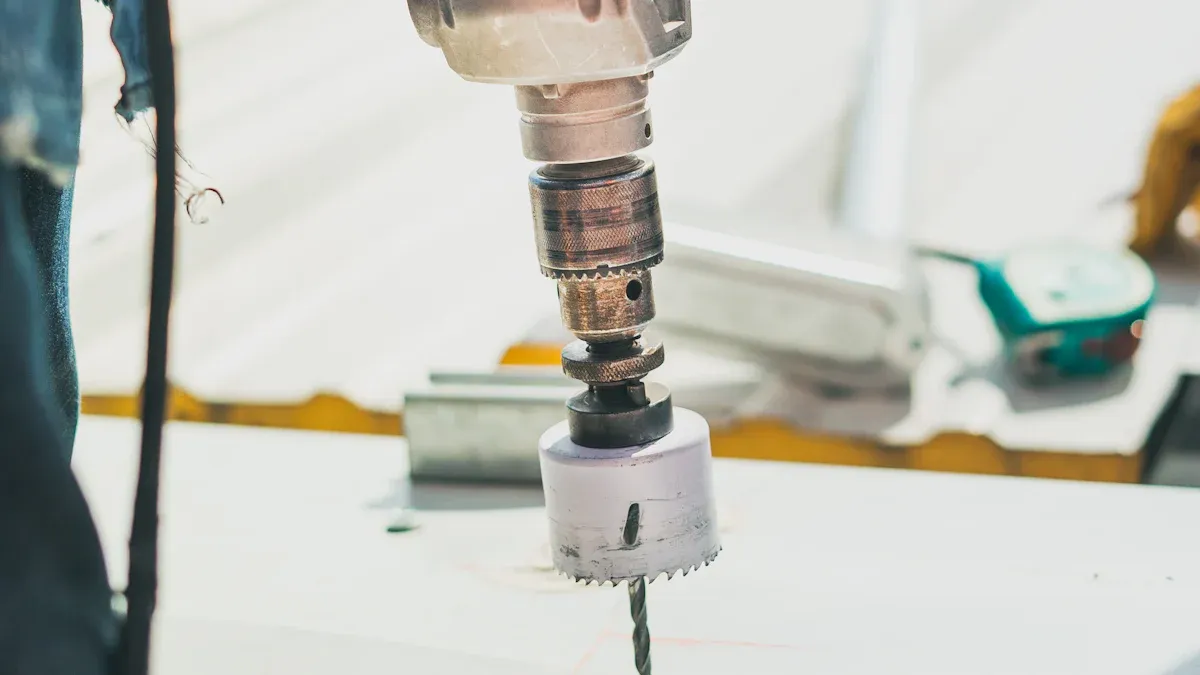
You may need to pre-drill holes before installing roofing screws, depending on the type of screw and the material you work with. Pre-drilling helps you avoid problems like splitting, cracking, or damaging the roof. Let’s look at the main situations where pre-drilling is important.
Not all roofing screws have a drill-shaped tip. If you use non-self-drilling screws, you must make a pilot hole first. This step helps you guide the screw into the material and prevents damage. You should pre-drill when you work with older screws or basic fasteners that do not cut their own path.
If you skip pre-drilling with non-self-drilling screws, you risk damaging the roof and the screw itself.
Here are some common problems you may face:
Metal shards can damage the EPDM seal, which protects against leaks.
Screws may break over time as the metal expands and contracts.
Pre-drilling gives you more control and helps you place each screw exactly where you want it. You also reduce the chance of stripping the screw or cracking the roofing panel.
Roofing projects sometimes use hardwoods or composite panels. These materials have a high density, which makes them tough to work with. You should always pre-drill when you install roofing screws in these materials.
Hardwoods and composite materials often split if you drive screws directly into them.
Pre-drilling creates a path for the screw, which protects the material and gives you a stronger hold.
The strength of the screw’s grip depends on the density of the wood. Pre-drilling helps the screw engage better.
Studies show that the size of the pilot hole and the type of screw you use affect how well the screw holds in hardwoods and laminated panels. If you want a secure fit, you must match the pilot hole to the screw size.
Splitting is a common problem when you install roofing screws in wood or plastic panels. You can prevent this by pre-drilling holes that are slightly larger than the screw diameter. This method works well for composite roofing panels, which expand and contract with temperature changes.
Pre-drilling holes 1.5mm to 2mm larger than the screw lets the panel move freely.
This practice prevents cracks and keeps the fasteners from failing.
You protect the roof from stress and make sure the screws stay tight over time.
Tip: Always check the manufacturer’s instructions for the right pilot hole size. This helps you avoid mistakes and keeps your roof safe.
Pre-drilling is a simple step, but it makes a big difference. You protect the material, get a better fit, and make your roof last longer. When you work with tough materials or basic screws, take the time to pre-drill. Your roof will thank you.

Selecting the right roofing screw helps you build a strong, long-lasting roof. You need to know the different types of screws and how they work with your roofing material. This choice affects how well your roof stands up to weather and time.
You will find many types of roofing screws at hardware stores. Each type has special features for certain jobs. The table below shows the main options and their best uses:
Type of Screw | Features | Best Use Case |
|---|---|---|
Self-Drilling Screws | Sharp tip drills into metal without pre-holes, fast installation. | Metal roofs |
Self-Tapping Screws | Creates threads in existing holes, ensuring a secure fit. | Wood or composite panels |
Wood Roofing Screws | Large threads grip wood tightly, preventing loosening. | Wooden roofs or frames |
Sheet-to-Steel Screws | Strong screws for attaching thin metal sheets to steel frames. | Factory roofing |
Hex Head vs. Pan Head Screws | Hex head for easy tightening with a wrench; pan head for a smooth finish. | Metal roofs (hex) or aesthetic needs (pan) |
Galvanised Screws | Zinc coating for basic rust protection, suitable for standard roofs. | General roofing |
Zinc-Coated Screws | Cost-effective, good for many climates but less durable than stainless. | Home roofing projects |
Stainless Steel Screws | Excellent rust and corrosion resistance, ideal for coastal areas. | Humid or coastal environments |
Painted or Coated Heads | Coloured heads for aesthetic matching and added protection. | Visual appeal on roofs |
Self-drilling screws work best for metal roofs. They save you time because you do not need to drill a hole first. Self-tapping screws need a pilot hole but give a tight fit in wood or composite panels.
You must match the screw type to your roofing material and its thickness. This step keeps your roof strong and safe. Here are some tips:
Choose stainless steel screws for areas with lots of rain or salt in the air. These screws resist rust and last longer.
Pick the right size. Screws that are too short may not hold well. Screws that are too long can damage the roof.
Use the correct installation method. Pre-drill when needed and space screws evenly for the best results.
Tip: Always check the thickness of your roofing panels before you buy screws. The right roofing screw will grip tightly and prevent leaks.
Weather can damage roofs over time. You need screws that protect against rain, wind, and sun. Many roofing screws have special coatings or washers to stop rust and leaks.
Coating Type | Corrosion Resistance | Installation Requirements |
|---|---|---|
Zinc (Galvanization) | Good | Needs proper application for best results. |
Hot-Dipped | High | Best for harsh weather and coastal areas. |
Epoxy | High | Handle with care to avoid damaging the coating. |
PrimeGuard® | Very High | Great for treated wood and long-term use. |
Choose screws with the right coating for your climate. Stainless steel works best near the ocean. Zinc-coated screws fit most home projects. Always look for screws with rubber washers for extra leak protection.
Picking the right tools makes installing roofing screws easier. You should use a screw gun or drill with torque control. This tool helps you put roofing screws into metal roofing panels at the right depth. A screw gun with torque control stops you from tightening too much. Over-tightening can hurt metal roof screws or the panel.
Screw Gun/Drill: Pick one with adjustable torque. This keeps roofing screws tight but does not crush the rubber washer.
Drive Screws Straight: Hold the drill straight up and down on the metal roofing panel. This helps make a watertight seal and stops leaks.
Pre-Drill Holes: If your roofing screws do not have self-drilling tips, pre-drill holes. This keeps the screws straight and protects the panel.
Tip: Clean away metal shavings or dust before you put in steel roofing screws. Use a vacuum or blower for this. Cleaning stops rust streaks and keeps your metal roof looking nice.
People sometimes tighten roofing screws too much or not enough. Both can make leaks or loose panels. Always follow what the manufacturer says about spacing and torque settings.
Working on a roof is risky. You need to stay safe when putting in roofing screws, especially on metal roofs.
Anchorage: Clip your safety harness to an anchor that holds at least 5,000 pounds.
Body Wear: Wear a full-body harness that fits well and meets safety rules.
Connecting Devices: Use lanyards and lifelines to keep falls under six feet.
Guardrails: Put up guardrails if you can, especially on flat roofs.
Inspect Equipment: Check all your safety gear before you start. Replace anything that is worn or broken.
Note: Unsafe work can cause accidents. Always train workers and follow safety rules when putting in roofing screws for metal roofs.
Doing the job right and staying safe helps roofing screws last longer. It also keeps your metal roof strong. Always read product instructions and use good practices for every job.
You can help your roof last longer if you pick the right roofing screw. Listen to experts for the best results. Look at the table below for easy tips about pre-drilling:
Roofing Material | Pre-Drilling Needed? |
|---|---|
Metal Roofing | Yes, for best seal |
Asphalt Shingles | Not usually |
Wooden Roofs | Yes, to avoid splitting |
Composite/Synthetic | Check manufacturer guidelines |
Use screws that do not rust and put them on flat spots.
Put screws in straight and do not tighten too much. This keeps water out.
Check your roof often and install screws carefully. This stops leaks and saves money on repairs.
Self-drilling roofing screws have a tip that drills into metal roofing panels. Self-tapping roofing screws need a pilot hole first. You use self-drilling screws for metal roofs to save time. Self-tapping screws work best for wood or composite panels.
You can use roofing screws for metal roofs on wood, but you should pre-drill holes. This step helps prevent splitting. Metal roofing screws may not grip wood as tightly as wood-specific screws.
You should use steel roofing screws with rubber washers. Tighten each screw straight and avoid over-tightening. Place screws on flat spots of the metal roofing panels. Always follow manufacturer instructions for best results.
Roofing screws can rust if you choose the wrong type. Stainless steel roofing screws resist rust best. Zinc-coated and galvanized metal roof screws offer basic protection. Pick screws with weatherproof coatings for longer life.
You should space roofing screws for metal roofs about 12 to 24 inches apart. Check your metal roofing manufacturer’s guide for exact spacing. Proper spacing helps keep panels secure and prevents leaks.


