
Views: 0 Author: Site Editor Publish Time: 2026-01-07 Origin: Site


A leaking screw can be a frustrating and often costly issue, whether it’s in a complex mechanical system, a plumbing installation, or even a simple household appliance. These leaks typically occur when there is poor sealing around the screw threads, allowing unwanted moisture, fluid, or gas to escape. This issue can compromise the integrity of a system, cause damage to surrounding components, and even lead to safety hazards in certain applications.
Leaks around screws can happen for several reasons, including improper installation, worn-out or damaged sealing materials, or the use of incorrect fasteners for the application. In some cases, the screw threads themselves may not match the surface they are securing, leading to gaps that allow leakage. Over time, environmental factors such as vibration, temperature fluctuations, or chemical exposure can also degrade the sealing material, making leaks more likely.
Before diving into how to stop a leaking screw, it’s essential to understand the underlying causes. Leaks generally occur when a screw fails to create a proper seal or when the materials surrounding the screw are unable to handle the pressure or fluid exposure. Here are a few common reasons for leaking screws:
Insufficient Thread Engagement: When the screw doesn’t penetrate deep enough into the material, it can leave gaps that allow fluids to seep through.
Worn-Out or Damaged Threads: Over time, the threads on a screw can become worn, causing it to lose its ability to create a tight seal.
Incorrect Screw Size or Type: Using the wrong size screw can result in improper fitment, leading to gaps around the screw, which in turn causes leaks.
Improper Sealing: Without the proper sealant, gaskets, or washers, leaks can occur around the screw.
High Pressure or Vibration: In some environments, excessive pressure or constant vibrations can weaken the integrity of the seal around the screw.
By addressing these causes, you can significantly reduce or even eliminate leaks in screw fittings.
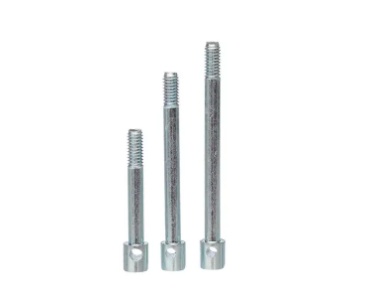
There are several methods you can use to stop a leaking screw. The key is to create a proper seal and use the right tools for the job. Let’s go over some of the most effective solutions.
Thread sealants are widely used to prevent leaks in screw connections, offering a reliable solution for a tight seal. These sealants work by filling in the gaps between the screw threads and the material it's securing, preventing fluid or air from escaping. Here’s a closer look at the two most common types of thread sealants:
Liquid Thread Sealant: Liquid thread sealants, available in both gel and liquid form, are applied directly to the threads of the screw before installation. These sealants fill in small gaps between the threads and the surface, creating a strong bond that resists leakage. They are particularly useful in high-pressure environments and where regular maintenance is needed, such as in industrial systems or machinery. Liquid sealants can also provide a level of flexibility, which allows them to adapt to slight variations in thread alignment, ensuring a better seal.
PTFE Tape (Teflon Tape): Teflon tape is a widely-used, cost-effective solution for sealing screw threads. It’s typically wrapped around the threads of the screw before insertion into the material. PTFE (polytetrafluoroethylene) tape is a non-stick, chemically resistant material that resists corrosion and prevents leaks, making it ideal for plumbing systems or anywhere water or chemicals are involved. When wrapping the tape, make sure to wrap it evenly and in the direction of the thread to avoid tape slipping off during installation.
Another effective method is to use washers beneath the screw head. Rubber or fiber washers help create a seal between the screw and the material being fastened, thus preventing leakage.
Rubber Washers: Rubber washers are ideal for sealing against moisture, as the material is flexible and can conform to irregular surfaces. This makes them an excellent choice for sealing screws in plumbing systems or outdoor equipment.
Fiber Washers: Fiber washers are often used in high-temperature environments as they can withstand heat while still providing an effective seal.
Over-tightening or under-tightening a screw can both lead to leakage. It’s crucial to apply the correct amount of torque to the screw. If the screw is too loose, it won’t form a tight seal, leading to leaks. On the other hand, over-tightening can damage the sealing material or cause the threads to deform, which also leads to leaks.
To ensure proper tightening, use a torque wrench. This tool allows you to tighten the screw to the exact level of torque required for the application.
Sealing screws are specifically designed to prevent leaks. These screws have built-in seals, such as O-rings, which help create a watertight seal when the screw is tightened. They are ideal for use in environments where leaks can cause significant damage, such as in automotive systems, machinery, or water tanks.
O-ring Sealing Screws: These screws feature an O-ring that sits in a groove around the head of the screw. When the screw is tightened, the O-ring compresses, creating a seal that prevents any leakage.
In some cases, the best option for sealing a screw is the use of a gasket. Gaskets are generally used in applications where there is a high risk of leakage, such as in plumbing and automotive industries. They create a barrier between the screw and the surrounding material, preventing any leakage.
Gaskets are commonly made from rubber, cork, or metal, depending on the application. Be sure to select the right material for your specific needs.
Corrosion can severely damage the integrity of a screw, which can contribute to leaks. When working with screws in environments that are prone to moisture, such as in outdoor or marine applications, it’s essential to use corrosion-resistant screws. Stainless steel or coated screws are ideal for these situations, as they can withstand exposure to water and chemicals without deteriorating.
Here’s a quick reference table summarizing the different methods and materials that can be used to prevent leaking screws:
Method | Description | Best Use Case | Material Options |
Thread Sealants | Liquid or gel applied to threads to seal gaps and prevent leaks. | General use in pipes, automotive, or machinery | PTFE tape, liquid thread sealants |
Rubber Washers | Flexible washers that conform to the surface, providing a tight seal. | Plumbing, outdoor, and mechanical systems | Rubber, silicone |
Fiber Washers | Washers made from heat-resistant materials that provide a durable seal. | High-temperature environments like engines | Fiber, asbestos (less common) |
Sealing Screws (O-ring) | Screws with built-in O-rings that compress when tightened to form a seal. | Plumbing, automotive, and machinery | Stainless steel, coated materials |
Gaskets | Material placed between surfaces to create a tight seal around screws. | Automotive, machinery, and plumbing systems | Rubber, cork, metal |
Corrosion-Resistant Screws | Screws designed to resist corrosion and maintain their sealing ability. | Marine, outdoor, or high-moisture environments | Stainless steel, coated screws |
This table outlines some of the most common methods and materials used for preventing screw leaks. You can choose the best solution based on your specific application and environmental needs.
When trying to stop a leaking screw, it’s just as important to avoid certain mistakes that can make the problem worse. Here are some common pitfalls:
Using the Wrong Type of Sealant: Not all sealants are created equal. Some sealants may not be effective against certain chemicals or temperature conditions, leading to premature failure of the seal.
Neglecting to Replace Damaged Washers or Gaskets: Over time, washers and gaskets can degrade, especially in high-pressure or high-temperature environments. Always inspect these components and replace them when necessary.
Failing to Check Thread Compatibility: Ensure that the screw threads match the material’s threading. Using screws with the wrong type of threads can lead to poor engagement and leaks.
Over-Application of Sealant: Too much sealant can cause it to spill out during tightening, creating a mess and possibly interfering with the sealing process.
Stopping a leaking screw involves understanding the root causes and applying the right sealing methods. Whether you opt for thread sealants, washers, sealing screws, or gaskets, ensuring a proper seal is crucial for preventing leakage. By taking the necessary steps to prevent leaks, you can improve the performance and longevity of your equipment and structures.
At Beyond Industry Groups Co., Ltd., we specialize in high-quality sealing screws and sealing solutions. If you’re looking for reliable and effective sealing products, feel free to get in touch with us for expert advice and recommendations.
What is the best method to seal a leaking screw?
The best method depends on the application, but using thread sealant or Teflon tape is generally an effective solution. For high-pressure environments, sealing screws with built-in O-rings or washers are preferred.
Can I use Teflon tape on screws in plumbing systems?
Yes, Teflon tape is commonly used in plumbing systems as it helps create a tight, leak-proof seal on threaded connections.
How can I tell if a washer is worn out and needs replacing?
If you notice that the washer has become brittle, cracked, or flattened, it’s time to replace it. A worn-out washer won’t provide an effective seal, leading to potential leaks.
Can corrosion cause screw leaks?
Yes, corrosion can damage screws and gaskets, weakening the seal and causing leaks. Using corrosion-resistant materials is essential for long-lasting seals.


