
Views: 0 Author: leadong Publish Time: 2020-09-16 Origin: Site


Choosing the right Oval Head Machine Screw is a critical decision for engineers and manufacturers alike. These screws are integral to various applications, from automotive to electronics, due to their unique design and functionality. The oval head design offers a sleek finish, making it ideal for projects where aesthetics are as important as function. In this article, we will delve into the factors to consider when selecting an oval head machine screw, including material, size, thread type, and application requirements. For more insights into different types of screws, you can explore our Products page.
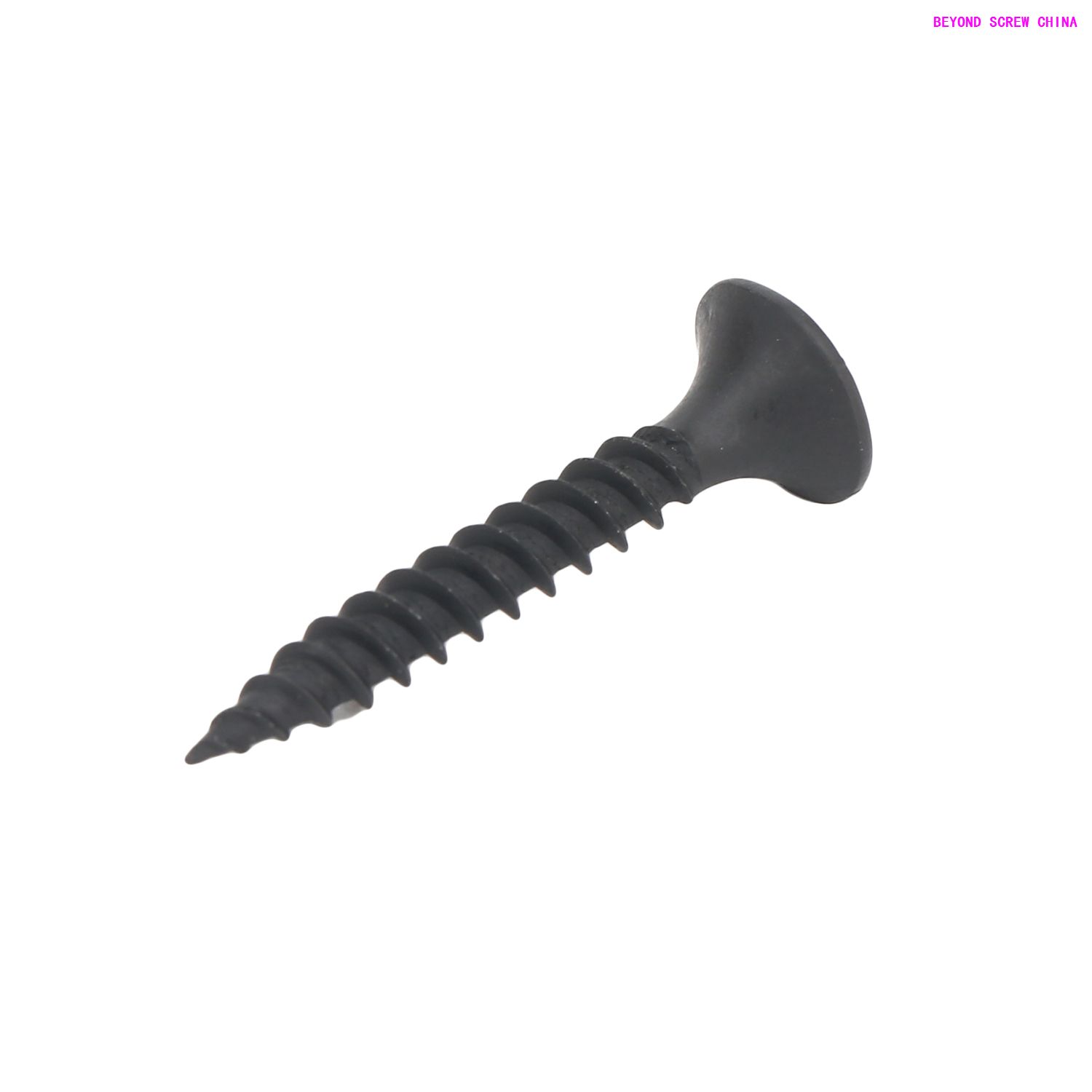
Oval head machine screws are characterized by their slightly rounded top and flat bearing surface. This design not only provides a neat appearance but also ensures a flush fit when countersunk. The choice of an oval head is often dictated by the need for a combination of aesthetic appeal and functional performance. These screws are commonly used in applications where the fastener must sit below the surface level, such as in furniture or electronic devices.
The material of the screw is a primary consideration. Common materials include stainless steel, carbon steel, and brass. Stainless steel is favored for its corrosion resistance, making it suitable for outdoor or moisture-prone environments. Carbon steel offers high strength and is often used in heavy-duty applications. Brass, on the other hand, is chosen for its excellent conductivity and resistance to tarnishing, making it ideal for electrical applications.
Selecting the correct size and thread type is crucial for ensuring the screw fits and functions as intended. The diameter and length of the screw must match the specifications of the application. Additionally, thread type—whether coarse or fine—affects the screw's grip and load-bearing capacity. Coarse threads are typically used in softer materials, while fine threads are preferred for hard materials where precision is required.
Understanding the specific requirements of your application is essential when choosing an oval head machine screw. Considerations include the environmental conditions, load requirements, and the need for disassembly. For instance, if the application involves exposure to high temperatures, selecting a screw with temperature resilience is vital. Similarly, for applications requiring frequent disassembly, a screw designed for ease of operation would be beneficial.
Environmental conditions play a significant role in determining the appropriate screw material and finish. In corrosive environments, a corrosion-resistant material like stainless steel or a screw with a protective coating is necessary to prevent degradation. For applications in extreme temperatures, selecting a screw that maintains its integrity under thermal stress is crucial.
The load-bearing capacity of the screw must align with the application's demands. High-strength materials are essential for applications involving significant stress or load. It's also important to consider the potential for wear and tear, selecting a screw that offers durability and wear resistance to ensure longevity and reliability.
Choosing the right Oval Head Machine Screw involves a comprehensive understanding of the application requirements, environmental conditions, and material properties. By considering these factors, you can ensure the selected screw provides optimal performance and longevity. For those interested in exploring more about screws and fasteners, our Support page offers a wealth of information.
1. What are the benefits of using an oval head machine screw?
Oval head machine screws offer a combination of aesthetic appeal and functional performance, making them ideal for applications where the fastener must sit below the surface level.
2. How do I choose the right material for my oval head machine screw?
Consider the environmental conditions and application requirements. Stainless steel is ideal for corrosion resistance, carbon steel for strength, and brass for conductivity.
3. What thread type should I choose for my application?
Coarse threads are suitable for softer materials, while fine threads are preferred for hard materials requiring precision.
4. How does environmental exposure affect screw selection?
In corrosive environments, choose corrosion-resistant materials or screws with protective coatings. For extreme temperatures, select screws that maintain integrity under thermal stress.
5. What load considerations should I keep in mind?
Ensure the screw's load-bearing capacity aligns with the application's demands, opting for high-strength materials for significant stress or load.
6. Can oval head machine screws be reused?
Yes, they can be reused, especially if designed for ease of operation and disassembly, contributing to cost-efficiency and sustainability.
7. Where can I find more information on screws and fasteners?
Visit our Support page for a comprehensive guide on screws and fasteners.


