
Views: 0 Author: Site Editor Publish Time: 2025-12-22 Origin: Site


When it comes to fastening materials in industries that demand high durability, reliability, and performance, bi-metal screws stand out as one of the top choices. These screws are specially designed to combine the best of two metals, offering enhanced strength, resistance to corrosion, and long-lasting performance. Bi-metal screws feature a core made from a high-strength material, such as steel, while the outer layer is coated with a corrosion-resistant metal, like stainless steel or brass, which protects the screw from harsh environmental conditions.
The unique construction of bi-metal screws makes them ideal for applications in industries where components are subjected to extreme conditions, such as automotive, construction, marine, and heavy machinery sectors. In automotive manufacturing, for instance, bi-metal screws are used to fasten parts that experience frequent vibration and high stress, ensuring a secure and durable connection that can withstand rigorous demands. Similarly, in construction and infrastructure projects, these screws are utilized to fasten metal structures and equipment, where their resistance to rust and corrosion ensures longevity, even when exposed to the elements.
Bi-metal screws are fasteners made from two different types of metals, each chosen for their unique properties. The combination of these metals allows the screw to provide high performance in both strength and corrosion resistance. Typically, the threads of a bi-metal screw are made from a hard metal, such as stainless steel, while the core or shank is made from a softer material, like aluminum or brass. This combination allows the screw to achieve the best of both worlds: high durability where needed and flexibility where required.
The concept of bi-metal fasteners is based on combining materials that complement each other, with one metal providing the necessary hardness and the other offering improved flexibility. The result is a screw that is ideal for high-performance applications, such as in corrosive environments or where the material being fastened requires a soft touch.
One of the most important characteristics of bi-metal screws is their ability to resist corrosion. Bi-metal screws are typically made with a hard metal like stainless steel for the threads, which ensures excellent resistance to corrosion and rust. Stainless steel is well-known for its ability to withstand exposure to moisture, chemicals, and extreme temperatures. This resistance to corrosion is essential in industries where screws are exposed to harsh weather conditions or corrosive environments.
For example, bi-metal screws used in marine environments are exposed to saltwater, which can quickly deteriorate standard screws. However, the corrosion-resistant properties of bi-metal screws make them ideal for such demanding environments. Similarly, in the automotive industry, bi-metal screws are often used in under-the-hood applications, where they are exposed to heat, moisture, and harsh chemicals. In construction, bi-metal screws are used in external structural elements exposed to outdoor weather, ensuring long-lasting reliability.
The combination of two different metals in bi-metal screws offers enhanced strength. The hard metal used for the threads ensures that the screw can withstand high mechanical stresses without wearing down or stripping, making it perfect for applications where heavy loads or frequent use are common. The threaded portion of the screw, typically made from stainless steel or a similar material, maintains its integrity under stress, providing a secure hold in materials like metal, wood, or concrete.
On the other hand, the softer core material—often made of aluminum, brass, or copper—offers flexibility and makes the screw easier to insert. This dual-material construction allows the screw to absorb forces and stresses better, reducing the risk of cracking or breaking during installation or over time. The combination of hardness and flexibility makes bi-metal screws particularly reliable in applications that require both strength and ease of use, such as automotive assembly, electrical equipment installation, and construction.
Another key feature of bi-metal screws is their self-tapping ability. These screws are designed to create their own hole as they are driven into the material they are fastening, eliminating the need for a pre-drilled hole. This feature significantly reduces the time and effort required for installation, making bi-metal screws especially useful in industries where speed and efficiency are crucial.
Self-tapping screws are commonly used in applications involving wood, plastic, and sheet metal, where drilling a hole beforehand can be inconvenient or unnecessary. In woodworking, for instance, bi-metal screws can easily penetrate the wood, creating a clean, tight hold without the risk of splitting or damaging the material. Similarly, in construction and metalworking, self-tapping screws offer convenience and precision, ensuring secure fastenings without the need for extra steps during the installation process.
Due to their dual-metal construction, bi-metal screws are versatile and can be used in a variety of applications. From securing metal components to fastening softer materials like wood or plastic, bi-metal screws offer superior performance in many industries. Whether it’s electrical equipment, automotive assembly, or building construction, bi-metal screws can provide a reliable solution to meet the demands of different materials and environments.
Bi-metal screws are particularly well-suited for high-temperature environments. Their heat-resistant properties make them ideal for use in industries like automotive manufacturing and energy production, where parts need to withstand high temperatures without compromising the integrity of the fastener. The combination of metals can prevent warping or failure, which would be a concern with standard screws.
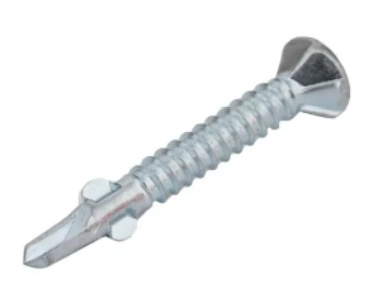
To understand why bi-metal screws are so effective, it’s important to look at how they function. The screw is designed with a threaded exterior made from a harder metal, which ensures a tight grip when driving into a material. The core is made from a softer material, which allows the screw to penetrate easily without damaging the surrounding material.
When the screw is driven into a material, the hard threads cut into the surface to create a tight connection. At the same time, the softer core material helps distribute the forces evenly, preventing stress concentrations that might lead to damage or failure. This combination of high strength and flexibility is what makes bi-metal screws so effective in demanding applications.
There are several different types of bi-metal screws, each designed for specific applications. Some of the common types include:
Type of Screw | Features | Best Used For |
Self-Tapping Bi-Metal Screws | Designed to create their own hole as they are driven in; ideal for softer materials like wood and plastic | Woodworking, plastic, sheet metal |
Self-Drilling Bi-Metal Screws | Has a drill point to drill into materials before threading; useful for metal-to-metal fastening | Metal-to-metal fastening, automotive applications |
Thread-Forming Bi-Metal Screws | Thread design allows for a secure hold in softer materials without the need for pre-drilling | Soft materials, low-strength fastenings |
Bi-metal screws offer several distinct advantages, including:
Longer Lifespan
The combination of durable materials ensures that bi-metal screws have a longer lifespan compared to regular screws. Their resistance to corrosion and wear makes them perfect for long-term use in various industries.
Cost-Effective
Although bi-metal screws may have a slightly higher initial cost, their longevity and resistance to damage reduce the need for frequent replacements. Over time, this makes them a cost-effective choice for businesses looking to minimize maintenance and downtime.
Reduced Risk of Failure
Bi-metal screws are less likely to fail under stress, especially in harsh environments. Their dual-material design reduces the risk of stripping, snapping, or wearing out, ensuring that your fastening solutions remain reliable over time.
Bi-metal screws are used in a wide range of industries and applications. Here are some common uses:
Automotive Industry: Bi-metal screws are often used in automotive assembly, particularly for fastening components like engine parts, exhaust systems, and body panels. Their heat resistance and durability are key features in this industry.
Construction: Bi-metal screws are used for attaching structural elements, fasteners in sheet metal, and even in roofing and cladding applications, where exposure to the elements is a concern.
Electronics: In electronics manufacturing, bi-metal screws provide a reliable solution for assembling components, as they resist corrosion and maintain integrity in sensitive equipment.
Marine Applications: Due to their exceptional corrosion resistance, bi-metal screws are often used in marine environments where parts are exposed to saltwater, moisture, and other corrosive elements.
At Beyond Industry Groups Co., Ltd., we specialize in manufacturing high-quality bi-metal screws designed for a wide range of applications. Our commitment to quality ensures that you receive screws that are both durable and reliable, whether you're working in construction, automotive manufacturing, or electronics.
Our bi-metal screws are designed to meet the most demanding requirements. Whether you need self-tapping screws for wood or metal applications or self-drilling screws for metal-to-metal fastening, we have the solution to help you complete your projects efficiently and reliably.
1. What materials are used in bi-metal screws?
Bi-metal screws are typically made by combining two different metals. The threads are often made from stainless steel or another hard metal, while the core or shank is made from a softer metal like aluminum or brass.
2. Can bi-metal screws be used for wood and metal applications?
Yes, bi-metal screws are versatile and can be used in both wood and metal applications. They are available in self-tapping and self-drilling designs to accommodate different materials.
3. How do bi-metal screws resist corrosion?
The use of corrosion-resistant metals, such as stainless steel, in the thread section of the screw ensures that bi-metal screws can withstand harsh environments and exposure to moisture and chemicals.
4. What industries use bi-metal screws?
Bi-metal screws are used in a variety of industries, including automotive, construction, marine, and electronics, where their strength, durability, and resistance to corrosion are essential.
At Beyond Industry Groups Co., Ltd., we offer top-quality bi-metal screws designed for performance and reliability. Contact us today to learn more about how our products can support your next project.


