
Views: 0 Author: Site Editor Publish Time: 2025-11-16 Origin: Site


Choosing the right screw matters. Wood Screw and tapping screws serve different purposes. Misuse can cause splitting or weak joints. This guide explains their features, uses, and installation. You will learn how to select the right screw for every project.
Wood screws are specially designed for fastening wooden components. They have coarse threads and sharp, pointed tips that securely grip wood fibers. Many wood screws feature a partially threaded shank, allowing the screw to pull two wood pieces tightly together. This design reduces the risk of splitting and improves joint stability, making wood screws ideal for furniture, cabinetry, and interior woodworking.
Wood screws are commonly made from steel, brass, or stainless steel. Protective coatings, such as zinc or black oxide, increase corrosion resistance. This allows wood screws to withstand high-humidity or outdoor environments without rusting. Selecting the proper material ensures longevity and maintains structural integrity in demanding conditions.
Wood screws come in various head types, including flat, countersunk, round, and oval. Flat and countersunk heads sit flush with the wood surface for a clean finish, while round heads allow for decorative or functional hardware attachment. The choice of head type influences both aesthetics and mechanical performance.
Wood screws provide strong, reliable fastening and can resist pull-out forces better than nails. They allow precise assembly, maintain clamping pressure over time, and can be removed or repositioned without significant damage. Their coarse threads and sharp tips make them particularly effective in soft and hardwoods alike.
Tapping screws, including self-tapping types, can create their own threads as they are driven into pre-drilled holes. They are commonly used for metal, plastic, and composite materials. Their self-threading ability eliminates the need for nuts or tapped holes, saving time and simplifying assembly.
Tapping screws are generally manufactured from hardened steel or stainless steel. They feature fully threaded shafts and sharp tips, allowing them to form threads in harder materials. Their high tensile strength makes them ideal for industrial and mechanical applications where durability and reliability are paramount.
Tapping screws are used for metal sheets, machinery, and some wood assemblies. They excel in high-speed, repetitive tasks where precision and secure fastening are required. Although occasionally used in wood, they are best suited for materials that can support their fine threads without compromising strength.
These screws reduce assembly time, provide vibration-resistant holds, and create secure connections in metals and synthetic materials. They are less prone to loosening under repeated stress and can simplify maintenance in industrial projects.
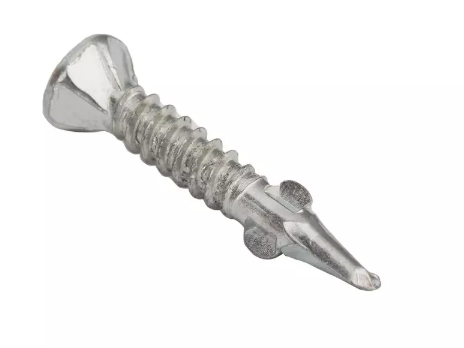
Wood screws have wide, coarse threads designed to grip wood fibers, while tapping screws feature finer, closely spaced threads optimized for cutting into hard materials. The thread spacing impacts holding power and is critical for selecting the appropriate screw based on material density and load requirements.
Wood screws typically include a smooth shank under the head, enabling the screw to pull two wooden pieces together tightly. Tapping screws, in contrast, are fully threaded from tip to head, providing consistent grip across their entire length. This makes tapping screws more suitable for sheet metals and composite boards.
Wood screws have pointed tips that easily penetrate wood. Tapping screws use hardened, self-threading tips to cut into metal or hard plastics. Understanding tip design ensures proper penetration without damaging the material, reducing the likelihood of splitting or stripped threads.
Wood screws support moderate loads typical in furniture, cabinetry, and interior structures. Tapping screws are built for higher tensile loads and resist shear forces in mechanical or industrial applications. Choosing the right screw type improves overall joint reliability.
Feature | Wood Screw | Tapping Screw |
Thread | Coarse, widely spaced | Fine, closely spaced |
Shank | Partially smooth | Fully threaded |
Tip | Sharp, pointed | Hardened, self-threading |
Materials | Wood-focused | Metal, plastic, synthetic |
Load Capacity | Moderate | High tensile and shear |
Creating pilot holes is crucial for wood screws to prevent splitting and ensure precise alignment. Tapping screws may require a guide hole in very dense materials. Proper preparation reduces installation errors and guarantees stronger, longer-lasting joints.
Using the correct screwdriver or power drill is essential. Over-tightening wood screws can strip threads, while under-tightening tapping screws reduces holding power. Applying consistent torque prevents joint failure and material damage.
Countersinking allows the screw head to sit flush with the wood surface. This technique improves aesthetics and prevents surface protrusions. Wood screws particularly benefit from countersinking in visible areas, providing a professional, finished appearance.
Applying wax or soap reduces friction when driving screws into dense wood or metal. Lubrication eases insertion, extends tool life, and prevents excessive stress on screw threads. It is especially helpful for tapping screws in harder substrates.
Standard steel wood screws are prone to rust when exposed to moisture or humid environments, which can weaken joints over time. Stainless steel or coated wood screws provide superior corrosion resistance, making them ideal for outdoor furniture, decking, or high-humidity interior projects. Selecting the correct material not only extends the lifespan of the screws but also preserves the appearance and structural integrity of the woodwork, preventing unsightly rust stains and potential joint failure. Regularly inspecting coated screws ensures they remain functional and visually appealing over extended use.
Tapping screws are typically made from hardened steel or stainless steel and are often coated to resist corrosion and mechanical wear. Their robust design allows them to maintain performance even in demanding industrial environments with repeated use or exposure to vibration. These screws are well-suited for fastening metal sheets, machinery, and synthetic materials, providing strong and reliable joints over long periods. Choosing high-quality, coated tapping screws ensures durability, reduces maintenance costs, and maintains structural stability under continuous mechanical stress.
Regular inspection of all screws is essential to maintain joint integrity and prevent unexpected failures. Check for stripped threads, rust, or loosened connections, especially in outdoor or high-stress applications. Prompt replacement or adjustment of compromised screws extends the service life of the assembly, ensures safety, and preserves performance. Developing a routine maintenance schedule for both wood and tapping screws allows early detection of wear, preventing costly repairs and maintaining the overall strength of furniture, cabinetry, or industrial structures.
Wood screws are extensively used in furniture assembly, cabinetry, and interior woodworking projects where moderate strength and precise alignment are required. They allow components to be joined securely without splitting the wood and can be removed or repositioned with minimal damage. Their partially threaded shanks provide clamping pressure, ensuring tight joints while accommodating slight wood movement. Wood screws also integrate easily with decorative finishes and hardware, making them a versatile choice for indoor woodworking projects where both aesthetics and functionality are important.
Tapping screws are highly suitable for industrial or mechanical applications, including metal sheet fastening, machinery assembly, and quick-production environments. Their self-threading capability eliminates the need for pre-tapped holes, significantly reducing assembly time and labor costs. These screws create strong, vibration-resistant connections that maintain structural stability under repeated use. In addition, tapping screws can be used in some wood and composite materials where high-speed installation is required, providing a reliable and efficient fastening solution across multiple materials.
Selecting the appropriate screw type requires consideration of material hardness, environmental exposure, and aesthetic requirements. Wood screws perform best in natural or engineered wood assemblies, providing moderate strength and precise alignment, while tapping screws excel in harder materials such as metals or synthetic boards where high tensile strength is necessary. Understanding the interaction between screw design and the material ensures joint longevity, reduces failures, and optimizes assembly efficiency, whether for furniture, cabinetry, or industrial components.
Wood screws and tapping screws complement each other, each excelling in specific applications. Wood screws are ideal for woodworking projects that require controlled clamping, precision, and moderate load-bearing strength. Tapping screws are designed for high-speed assembly in metals, plastics, and industrial applications where strong, vibration-resistant fastening is critical. By understanding their differences and selecting the correct screw type based on material, load, and environmental conditions, you can ensure durable, secure, and long-lasting joints across a wide range of construction and manufacturing projects.
Stripped threads reduce holding power and compromise joint strength, often requiring screw replacement and increasing labor costs. Using the correct pilot hole size, matching screw diameter to material density, and avoiding over-torquing are critical to prevent stripping. Maintaining consistent installation techniques and monitoring torque during assembly ensures that wood screws and tapping screws retain full engagement with the material, preserving both mechanical strength and long-term reliability of furniture, cabinetry, or industrial structures.
Splitting in hardwoods can compromise structural integrity and aesthetics. Pre-drilling holes appropriate for the screw diameter and selecting the correct thread type reduce stress on wood fibers and prevent splitting. This practice enhances joint stability and ensures that wood screws achieve maximum holding power without damaging the surrounding material. Consistent attention to these details is especially important in fine woodworking, cabinetry, or furniture manufacturing where precision and durability are critical.
Efficient assembly balances speed with quality. Tapping screws are ideal for high-speed, repetitive tasks due to their self-threading design, while wood screws offer controlled clamping and precise alignment. Using the appropriate screw type for each material and application ensures consistent results and reduces the risk of damage or misalignment. Efficient installation practices save time and labor costs while maintaining joint reliability and structural integrity in both woodworking and industrial environments.
Wood screws can be removed and reused multiple times without significant damage, maintaining clamping ability and structural integrity. Tapping screws require careful handling to preserve thread integrity, particularly in metal or synthetic materials, as repeated removal can compromise self-tapping efficiency. Proper extraction techniques, including using compatible tools and avoiding excessive torque, ensure that screws can be reused safely while preserving the durability of both the fastener and the material it secures.
Understanding wood screws and tapping screws ensures project success. Wood screws offer strong, precise fastening for wood. Tapping screws excel in metal and high-speed assembly. Beyond Industry Groups Co., Ltd. provides high-quality wood screws that enhance durability and efficiency. Their products deliver reliable performance for woodworking and industrial applications.
A: A Wood Screw is designed specifically for wood, featuring coarse threads and a pointed tip. It provides strong, precise fastening and is commonly used in furniture, cabinetry, and interior woodworking projects.
A: Wood screws have coarse threads and a partially smooth shank for wood-to-wood connections, while tapping screws are fully threaded and self-tapping, ideal for metal, plastic, and high-speed assembly.
A: Use a Wood Screw for woodworking projects that require precision, controlled clamping, and removable fastening. Tapping screws are better for metal or industrial applications.
A: Follow a tapping screw installation guide: pre-drill a pilot hole if necessary, use the correct screwdriver or drill, and avoid over-tightening to preserve threads.
A: Wood screws are ideal for furniture assembly, cabinetry, and decorative woodworking. They allow secure joints, precise alignment, and minimal surface damage.
A: Yes, Wood Screws can be removed and reused multiple times without major damage, making them practical for furniture adjustments or temporary fixtures.
A: Tapping screws form their own threads in metal or hard plastics, providing strong, vibration-resistant holds and saving time in industrial or machinery assembly.
A: Wood screws support moderate loads typical of wood projects, while tapping screws handle higher tensile and shear forces, making them suitable for metal and industrial applications.
A: Wood Screws are typically made from steel, brass, or stainless steel and may have coatings for corrosion resistance, making them suitable for indoor and outdoor furniture projects.
A: Pre-drill pilot holes and select the correct thread type to prevent splitting in hardwoods. This maintains structural integrity and supports secure furniture joints.


