
Views: 0 Author: Site Editor Publish Time: 2025-11-15 Origin: Site


Ever wondered why some screws fail in wood projects? Wood Screw and normal screws look similar but differ greatly. Using the wrong screw can weaken joints and cause damage. In this article, you will learn key differences and applications, and we will guide you to choose the right screw for every task.
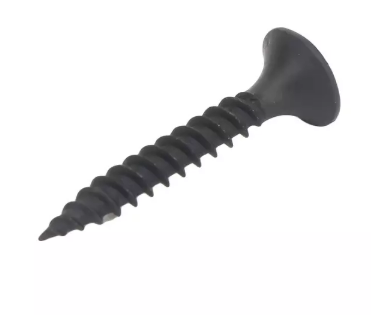
A wood screw is a fastener designed specifically for joining wooden components. It features a pointed tip that penetrates wood easily, reducing the risk of splitting. Unlike machine screws, wood screws rely on coarse threads to grip softwood fibers effectively. The tapered shape of the shaft ensures precise alignment, allowing two pieces of wood to join securely.
Wood screws have several unique features that make them ideal for woodworking. They often have a partially threaded shaft, allowing the unthreaded portion to pull the wood pieces tightly together. Various head types, such as flat, countersunk, or hex, offer both functional and aesthetic benefits. These features combine to provide strong holding power while protecting the integrity of the wood.
Wood screws are typically made of steel, brass, or stainless steel. Some include protective coatings like zinc or galvanization for corrosion resistance. The choice of material determines durability and suitability for indoor or outdoor applications. For example, stainless steel screws are excellent for outdoor projects, whereas brass screws are better for decorative furniture applications.
The coarse threads of a wood screw engage the wood fibers, creating friction that holds the components together. A properly drilled pilot hole prevents splitting and improves joint stability. The pointed tip allows easy penetration without pre-threading, unlike normal screws. Using the correct length and diameter ensures a secure hold without damaging the material.
Normal screws include machine screws, metal screws, and self-tapping screws. These are used for materials such as metal, plastic, or pre-drilled surfaces. Unlike wood screws, they are designed to fasten components with precision rather than grip soft fibers. Their applications range from mechanical assemblies to industrial machinery.
Machine and metal screws generally have a straight, fully threaded shaft and a blunt tip. They often require nuts or pre-tapped holes for secure fastening. These screws prioritize load-bearing capacity, precision, and stability under stress. Common head types include hex, pan, or domed designs, optimized for torque transfer and anti-cam-out performance.
Normal screws are usually made from hardened steel or stainless steel, often with corrosion-resistant coatings. These properties make them suitable for industrial and outdoor applications. The choice of material ensures longevity and reliability in demanding conditions, including vibration-prone machinery or exposed outdoor structures.
Normal screws are primarily used in mechanical and industrial contexts. They provide secure assembly for metal, plastic, and composite materials. Unlike wood screws, they are less suited for softwood connections and rely on pre-threading or nuts. Their higher tensile strength allows them to handle heavier loads safely.
Wood screws feature coarse, widely spaced threads that grip softwood fibers effectively. Normal screws have fine, consistent threads designed for metal or plastic surfaces. Coarse threads provide better holding power in softer materials, whereas fine threads allow precise engagement in pre-tapped holes.
A wood screw often has a partially unthreaded shank that pulls wood components together tightly. Normal screws are fully threaded along the shaft to maximize grip on hard materials. This structural difference is critical for load distribution and prevents splitting or loosening over time.
Normal screws are frequently self-tapping, cutting their own threads into pre-drilled holes. Wood screws, however, typically require pilot holes to guide them without damaging the wood. This distinction impacts both the installation method and the type of projects for which each screw is suitable.
Wood screws feature flat, round, or countersunk heads, allowing them to sit flush or provide decorative finishes. Countersunk heads are particularly useful for furniture and cabinetry where aesthetics matter. These head types also distribute pressure evenly, reducing the risk of splitting.
Machine and metal screws come in hex, pan, or domed heads, designed for industrial tooling. These heads facilitate higher torque application and are compatible with various drive systems such as Torx or square drives. They are engineered to withstand repeated assembly and disassembly without damage.
Wood screws usually use Phillips or slotted drives for easy installation. Normal screws may require specialized drives for torque and anti-cam-out performance. Matching the screw head and driver ensures efficient installation and reduces wear on both the screw and tools.
Wood screws support moderate loads, making them ideal for furniture, cabinetry, and general woodworking projects. Overloading a wood screw can strip threads or split the wood. Proper screw selection based on length, diameter, and pilot holes improves load distribution and joint longevity.
Normal screws are designed for higher tensile strength and shear forces. They excel in metal assemblies and structural connections requiring long-term reliability. Fully threaded shafts and hardened materials allow them to bear heavy loads without deformation.
The choice between wood screws and normal screws depends on project type, material hardness, and expected load. Wood screws are optimal for wood-to-wood connections with moderate strength requirements. Normal screws are preferable for mechanical, industrial, or outdoor applications demanding higher load capacity.
Standard wood screws are prone to rust and corrosion when exposed to high-moisture environments, such as bathrooms, kitchens, or outdoor decks. Choosing stainless steel or coated variants significantly enhances their longevity, maintaining structural integrity over time. Neglecting corrosion resistance can lead to weakened joints, project failures, and frequent replacements, increasing both labor and material costs. Regularly assessing the environmental conditions and selecting appropriate protective finishes ensures that wood screws perform reliably across indoor and outdoor applications.
Normal screws, including machine and metal screws, are often alloyed or coated to resist corrosion, making them ideal for harsh or industrial environments. Their robust durability ensures long-term performance in applications like outdoor structures, heavy machinery, and high-stress assemblies. Proper material selection, such as stainless steel or zinc-coated finishes, minimizes maintenance requirements and extends service life. By investing in corrosion-resistant normal screws, projects benefit from consistent strength, reduced repair frequency, and safer, more reliable assemblies over time.
Routine inspection for signs of wear, rust, or stripped threads is essential for both wood and normal screws. Preventive maintenance, including cleaning and tightening, prolongs service life and maintains joint integrity, preventing costly failures. Replacing damaged screws early avoids structural compromises and safety hazards in furniture, cabinetry, or industrial frameworks. For projects exposed to moisture or heavy loads, prioritizing durable materials and regular checks ensures long-lasting performance and reduces long-term repair costs.
Wood screws are ideal for furniture assembly, cabinetry, and indoor woodworking projects where moderate strength, precision, and aesthetic finishing are critical. They perform well in softwood, plywood, and other wood-based materials, allowing clean, flush installations. Common uses include attaching cabinet panels, constructing bookshelves, assembling frames, or installing wooden fixtures. Their tapered shafts and coarse threads provide strong hold without damaging the wood, making them a staple in both DIY and professional woodworking environments.
Machine screws, metal screws, and self-tapping screws excel in metal assembly, industrial machinery, and outdoor structures where high tensile strength and precision are required. They maintain long-term reliability under heavy loads, vibration, and extreme environmental conditions. Applications include joining metal sheets, mounting equipment, constructing machinery, or reinforcing outdoor frameworks. The uniform threading and durable material composition make them indispensable for high-stress projects requiring secure, precise fastening.
Screw selection depends on environmental exposure, material hardness, and aesthetic requirements. Wood screws are better suited for indoor projects, softwood, or decorative applications where a moderate load is expected. Normal screws outperform wood screws in outdoor, heavy-load, or metal-centric projects, providing superior tensile strength and corrosion resistance. Assessing the material compatibility, expected stresses, and visual requirements ensures optimal performance and reduces potential failures.
Screw Type | Ideal Material | Thread Type | Load Capacity | Typical Use |
Wood Screw | Softwood, plywood | Coarse, partial | Moderate | Furniture, cabinetry |
Machine Screw | Metal, plastic | Fine, full | High | Machinery, industrial |
Metal Screw | Sheet metal, hard plastics | Fine, full | High | Outdoor structures |
Self-Tapping Screw | Metal, plastic, thin wood | Fine, cutting | Medium-High | Industrial, DIY |
Drilling pilot holes is essential to prevent splitting, ensure precise alignment, and reduce driving torque. For hardwoods, the pilot hole should be slightly smaller than the screw diameter, allowing the threads to bite securely without cracking the wood. Pilot holes also facilitate smoother screw insertion, reducing manual effort and minimizing stress on both the screw and material. Using consistent pilot hole sizing across similar materials ensures uniform performance and joint stability.
Using compatible screwdrivers or power drills with adjustable torque prevents over-tightening, which can strip threads or damage the surrounding wood. Maintain steady pressure and proper alignment when driving screws into the material. For precision woodworking, hand-starting screws before power driving reduces the risk of misalignment. Consistent technique ensures that screws hold securely, preserving both joint integrity and aesthetic quality.
Countersinking screws creates a clean, flush surface, particularly for visible furniture panels or decorative woodworking projects. Choosing the appropriate head type, such as flat, countersunk, or round, improves joint stability and aesthetic appeal. Flush installations prevent protrusions that could snag or cause safety issues. This technique also distributes pressure more evenly across the wood surface, reducing the risk of splitting or material damage.
Applying wax, soap, or specialized lubricant reduces friction, making screw insertion easier, especially in hardwoods or dense materials. Lubrication minimizes the risk of screw breakage and extends both tool and fastener life. It also ensures smoother driving, reducing torque stress on drills and preventing splintering. This simple step improves efficiency and contributes to cleaner, more professional results in demanding woodworking tasks.
Wood screws and normal screws serve distinct purposes. Wood screws are ideal for woodworking with coarse threads and tapered shafts. Normal screws provide high strength and precision for metal and industrial projects. Choosing the right screw ensures durable, secure joints. Beyond Industry Groups Co., Ltd. offers high-quality wood screws that combine strength and reliability, delivering value for both DIY and professional projects.
A: A Wood Screw is a fastener designed for woodworking. It has coarse threads and a tapered shaft, providing strong grip in softwoods and plywood.
A: Wood Screw vs Standard Screw differs in threading, shank, and load capacity. Wood screws grip wood fibers, while normal screws suit metal or plastic.
A: Types of Wood Screws include flat head, countersunk, and round head screws. Each type suits different woodworking applications and aesthetic finishes.
A: Wood Screw Applications include furniture assembly, cabinetry, and indoor woodworking projects where moderate strength and precision are needed.
A: Wood screws prevent splitting and provide better joint stability in wood. Proper selection ensures strong, durable woodworking connections.
A: Screw Thread Differences include coarse threads for wood screws versus fine, uniform threads for normal screws used in metal and industrial projects.
A: Regularly inspect for wear or corrosion. Using corrosion-resistant or coated wood screws enhances durability and reduces the need for replacements.


