
Views: 0 Author: leadong Publish Time: 2020-09-18 Origin: Site


In the intricate world of woodworking, the choice of screws can significantly influence the quality and durability of the final product. Among the various types of screw heads available, the Oval Screw Head stands out for its unique advantages. This article delves into the essential role that oval screw heads play in woodworking, examining their design, functionality, and the benefits they offer over other screw types. For those interested in exploring more about different screw types, our Products section provides comprehensive insights.
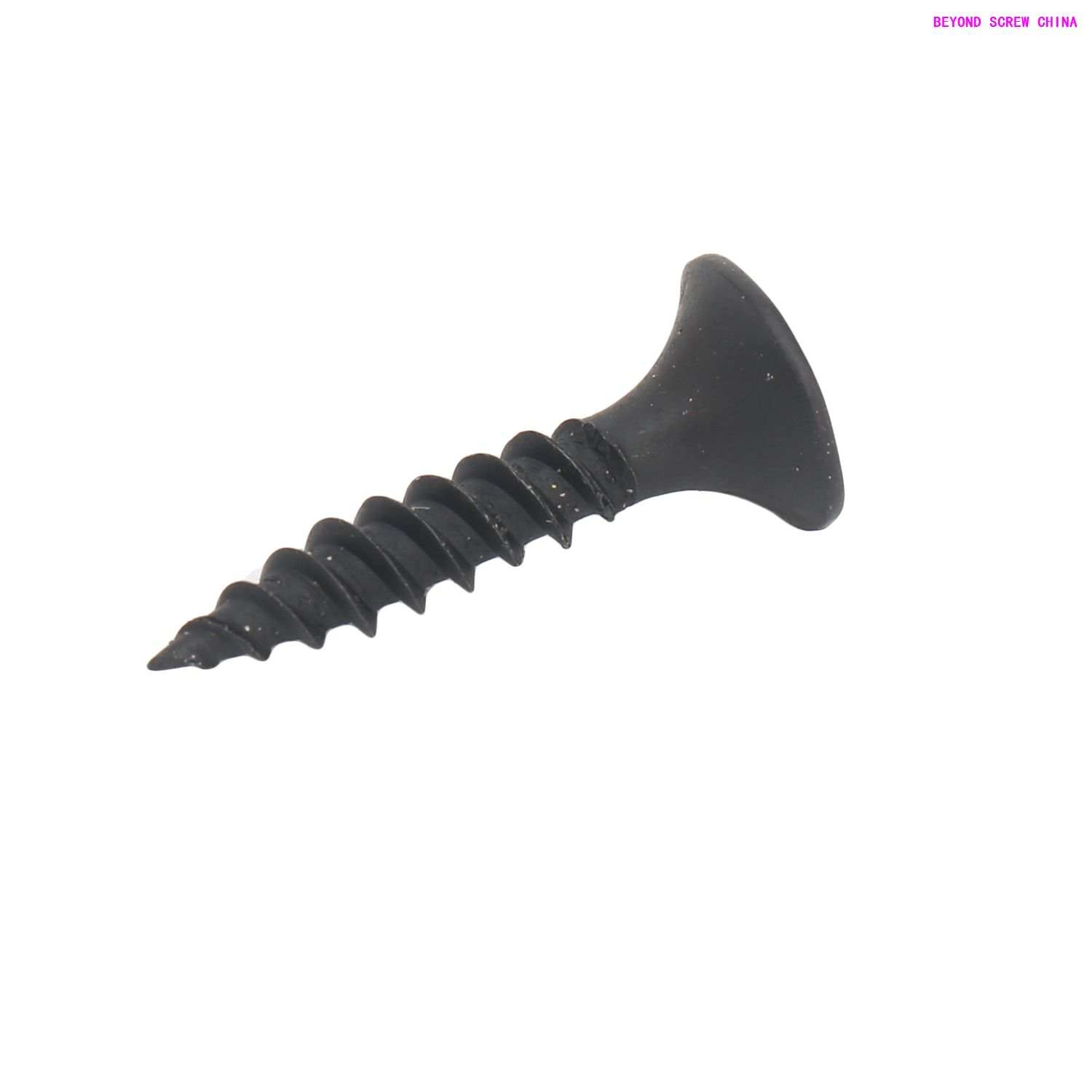
Oval screw heads are characterized by their slightly rounded top and flat underside. This design allows them to sit flush with the surface when countersunk, offering a smooth finish that is both aesthetically pleasing and functional. The curvature of the head also provides a larger surface area for the screwdriver, reducing the likelihood of slippage during installation. This feature is particularly beneficial in woodworking, where precision and surface integrity are paramount.
The functionality of oval screw heads extends beyond their appearance. Their design contributes to a stronger hold in the wood, as the shape allows for a more even distribution of pressure across the screw head. This is crucial in preventing the wood from splitting, a common issue with flat or round head screws. Additionally, the oval shape facilitates easier removal and reinstallation, making it ideal for projects that may require adjustments over time.
Moreover, oval screw heads are often preferred for their ability to blend seamlessly with the wood surface. This is particularly important in fine woodworking projects where the visibility of screw heads can detract from the overall aesthetic. By providing a smooth, unobtrusive finish, oval screw heads enhance the visual appeal of the finished product.
When compared to other screw head types, such as flat, round, or pan heads, oval screw heads offer distinct advantages. Flat heads, while providing a flush finish, often require additional countersinking to achieve the same level of surface integration as oval heads. Round heads, on the other hand, protrude from the surface, which can be undesirable in applications where a smooth finish is required.
Pan heads, similar to round heads, do not sit flush with the surface, which can lead to snagging or catching on materials. In contrast, the oval screw head combines the best features of these designs, offering a flush finish with minimal effort and a secure hold that enhances the structural integrity of the joint.
Oval screw heads are particularly suited for applications where both aesthetics and functionality are critical. They are commonly used in furniture making, cabinetry, and other fine woodworking projects where the appearance of the finished product is as important as its structural integrity. The ability of oval screw heads to provide a secure hold without compromising the wood's surface makes them an invaluable component in these applications.
In addition to their use in visible applications, oval screw heads are also favored in hidden joints where a strong, reliable connection is required. Their ease of installation and removal makes them ideal for adjustable or modular furniture designs, where components may need to be repositioned or replaced over time.
The material of the screw itself is another important consideration in woodworking. Oval screw heads are available in a variety of materials, including steel, stainless steel, and brass. Each material offers distinct advantages depending on the specific requirements of the project. For instance, stainless steel screws provide excellent corrosion resistance, making them ideal for outdoor or high-moisture environments. Brass screws, while softer, offer a classic appearance that is often desired in traditional woodworking.
Choosing the right material for oval screw heads can significantly impact the longevity and performance of the woodworking project. It is essential to consider factors such as environmental conditions, load requirements, and aesthetic preferences when selecting the appropriate screw material.
In conclusion, the Oval Screw Head is an essential component in woodworking, offering a blend of aesthetic appeal and functional advantages that are unmatched by other screw types. Its unique design allows for a flush finish, strong hold, and ease of use, making it ideal for a wide range of woodworking applications. By understanding the benefits and applications of oval screw heads, woodworkers can make informed decisions that enhance the quality and durability of their projects. For those seeking further information on woodworking fasteners, our Support section offers valuable resources.
1. Why are oval screw heads preferred in woodworking?
Oval screw heads are preferred for their ability to provide a flush finish and strong hold, reducing the risk of wood splitting and enhancing the overall aesthetic of the project.
2. What materials are oval screw heads made from?
Oval screw heads are commonly made from steel, stainless steel, and brass, each offering unique benefits depending on the project's requirements.
3. How do oval screw heads compare to flat and round heads?
Oval screw heads offer a combination of the flush finish of flat heads and the ease of use of round heads, without the drawbacks of protrusion or additional countersinking.
4. Are oval screw heads suitable for outdoor projects?
Yes, especially when made from stainless steel, which provides excellent corrosion resistance in outdoor or high-moisture environments.
5. Can oval screw heads be reused?
Yes, their design allows for easy removal and reinstallation, making them ideal for projects that may require adjustments over time.
6. What are the aesthetic benefits of oval screw heads?
Their ability to sit flush with the wood surface makes them less visible, enhancing the visual appeal of fine woodworking projects.
7. How do I choose the right oval screw head for my project?
Consider factors such as the material, environmental conditions, and load requirements to select the appropriate oval screw head for your specific woodworking needs.


