
Views: 0 Author: Site Editor Publish Time: 2025-10-17 Origin: Site


Yes, many roofing screws are self-drilling, which means you can drive them into roofing materials without pre-drilling a hole. Self-drilling means the screw tip acts like a drill bit, making installation faster and easier for you. Picking the right screw matters because it affects how well your roofing stands up to storms, temperature changes, and even earthquakes. Take a look at this table to see why matching screw type to your roofing material is crucial:
Reason to Match Screw Type | Why It Matters |
|---|---|
Durability | Helps your roof last longer |
Leak Prevention | Stops water damage |
Structural Safety | Keeps your roof secure |
Using the correct roofing screw helps prevent leaks and keeps your roofing stable for years.
Self-drilling screws save time by eliminating the need for pre-drilling holes, making installation faster and easier.
Choosing the right screw type is crucial for durability, leak prevention, and structural safety of your roofing.
Self-drilling screws create their own pilot holes, providing a tight, leak-resistant connection that withstands harsh weather.
Consider environmental factors and roofing materials when selecting screws to ensure long-lasting performance.
Investing in high-quality screws can reduce long-term maintenance costs and enhance the overall stability of your roof.
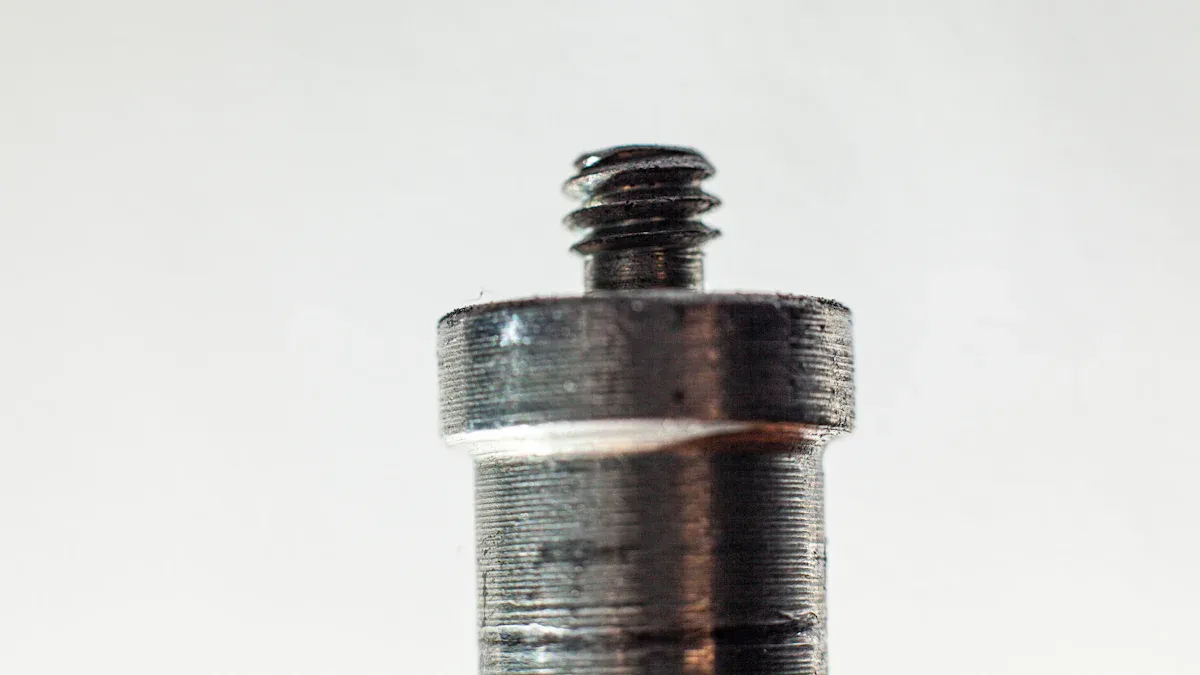
When you start a roofing project, you want fasteners that make your job easier. Self-drilling screws do just that. You can spot them by their drill bit-shaped tips. These tips let you drive the screw straight into metal or other roofing materials without stopping to make a pilot hole. You save time and effort because the screw drills and taps at the same time.
Here’s what sets self-drilling screws apart from other types:
Self-drilling screws create their own pilot holes as you drive them in.
The tip looks like a tiny drill bit, so you don’t need to predrill.
Self-tapping screws need a predrilled hole, but self-drilling screws do not.
If you’re working with metal roofing, you’ll notice how much faster installation goes when you use self-drilling screws. You don’t have to switch tools or slow down to drill holes first. That means you finish your roofing job quicker and with less hassle.
You might wonder how these screws actually work. The secret is in the tip and the threads. The chisel tip acts like a drill bit, cutting through metal sheets or other roofing materials. The tapered shaft and continuous threads help the screw grip tightly as you drive it in.
Here’s a quick breakdown of the process:
The chisel tip drills into the material, so you don’t need a pilot hole.
The threads pull the screw in and hold it securely.
You get a tight, leak-resistant connection that stands up to wind and rain.
Roofing professionals love self-drilling screws for several reasons:
You save time because you skip the pre-drilling step.
The sharp spiral threads give you a secure, tight fastening.
These screws work especially well for thinner materials.
You get significant labor savings, especially on big roofing projects.
Tip: If you want your roof to last, choose screws that meet industry standards. Look for certifications like ISO-9001, CE EN 14566, or ETA Certificate ETA19-0739. These show the screws have passed strict quality tests.
Here’s a table showing some common certifications for self-drilling roofing screws:
Certification Type | Details |
|---|---|
ISO-9001 | ISO-9001 certified process to meet customer needs. Full traceability. |
CE EN 14566 | CE EN 14566 Certificates approved on May 19, 2015. |
ETA Certificate | ETA Certificate ETA19-0739 approved on November 22, 2020. |
You might pay a little more for self-drilling screws, but you save money on installation and long-term maintenance. These screws last about 20 years under normal weather conditions. If you live in a humid or hot area, keep an eye out for corrosion. Humidity and temperature changes can weaken the connection and reduce the lifespan of your roofing.
Common problems you might see include screw tilting, pull-out, and hole tearing. The thickness and type of material, plus how much torque you use, all affect how well the screw performs. Always check the manufacturer’s recommendations before you start your roofing project.
Here’s a quick look at the top benefits, according to roofing experts:
Benefit | Description |
|---|---|
Installation Speed | Self-drilling screws save time by eliminating the need for pre-drilling. |
Strength and Durability | They create tight, secure connections that withstand heavy loads and harsh weather. |
Cost-Effectiveness | You reduce project costs by saving time, labor, and materials. |
Versatility | These screws work with many roofing materials, so you can use them for different projects. |
If you want a secure, long-lasting roof, self-drilling screws are a smart choice. You get speed, strength, and reliability all in one fastener.
When you start a metal roofing project, you face a lot of choices. The types of screws for metal roofing can make or break your installation. You want to pick the right metal roofing fastener for your needs. Here are some of the most common options you’ll see:
Self-drilling screws: These work great for attaching metal panels to metal framing. You don’t need to pre-drill, so you save time.
Wood screws: If you’re working with wood substrates, these fasteners hold metal panels securely. Many people use them in agricultural and residential projects.
42 & 44 pop rivets: These fasteners help you secure overlapping metal panels. They give your roof a clean, finished look.
TruGrips: You’ll want these for high-stress areas or if you live where the weather gets wild.
Each metal roofing fastener has its own strengths. Think about your roof’s structure and the weather in your area before you choose.
You might wonder about the difference between self-drilling and self-tapping fasteners. Both show up in metal roofing, but they work in different ways. Check out this table to see how they compare:
Feature | Self-Drilling Screws | Self-Tapping Screws |
|---|---|---|
Pilot Hole Requirement | No | Yes |
Installation Speed | Fast | Slower |
Suitable Materials | Metal to Metal | Metal to Wood or Plastic |
Tip Design | Drill bit tip | Sharp cutting threads |
Ideal Use Case | Metal roofing to metal structures | Metal roofing to wooden supports |
If you want speed and strength, self-drilling metal to metal roofing screws are your best bet. Self-tapping fasteners work well when you attach metal panels to wood.
For home projects, you need residential roofing fasteners that match your materials and climate. Here are some top choices:
Aluminum fasteners: Lightweight and resist rust, but not for heavy loads.
Stainless steel fasteners: Super strong and last a long time, but cost more.
Galvanized steel fasteners: Good balance of strength and price, plus they fight corrosion.
Metal to wood roofing screws: #9 and #10 sizes can go through steel sheeting and wood without pre-drilling.
Screws for sidelap and trim: Use these for panel overlaps and attaching trim.
Screws for light gauge metal: Perfect for purlins and thin metal supports.
Screws for heavy steel joists: Use these for I-beams or steel tubes.
Fasteners with rubber sealing washers: These help keep water out, which is key for exposed fastener panels.
Tip: Always match your residential roofing fasteners to your roof’s structure and local weather. The right choice keeps your roof strong and leak-free.
When you start choosing the right screw for your roofing project, you want to look at more than just the price tag. The type of screw needed depends on your roofing material, the environment, and the structure beneath the panels. Here’s a quick checklist to help you make the best choice:
Identify Your Roofing Material
First, figure out what kind of roofing sheet you have. Is it steel, aluminum, or something else? Check the profile, color, thickness, and whether there’s insulation. This helps you pick the correct screw length for metal roofing and ensures a secure fit.
Know Your Substructure
Are you attaching panels to steel purlins or timber? The thickness and type of the substructure affect the screw sizes and the holding power you need.
Match the Screw Type to the Application
Use this table to see which fasteners work best for your situation:
Screw Type | Application Details |
|---|---|
Galvanized Screws | Cost-effective for galvanized steel panels; less resistant to corrosion in high-moisture areas. |
Stainless Steel | Superior corrosion resistance; ideal for aluminum panels or coastal applications. |
Aluminum Screws | Used in specialty applications with non-ferrous metals. |
Protective Coatings | Zinc-plated or ceramic-coated screws provide rust protection; painted heads for aesthetics and UV protection. |
Consider Environmental Factors
Choose screws with proven backing-out resistance if your area has big temperature swings.
Select coatings and materials that resist corrosion in snowy or icy climates.
Go for screws with wider or dual threads for secure anchoring in shifting conditions.
Check Screw Length and Diameter
The screw length needed depends on the thickness of your roofing and the substructure. Here’s a handy size chart:
Parameter | Specification Details |
|---|---|
Length Range | 13mm – 150mm depending on roofing sheet thickness and substrate |
Diameter | 4.2mm – 6.3mm |
If you’re unsure, always check the manufacturer’s recommendations for screw sizes.
Look at Coating and Finish
The coating or finish boosts durability and corrosion resistance. Stainless steel screws with EPDM washers work best in coastal regions. Zinc-plated screws are fine for inland homes. Always ask for third-party test reports if you want proof of corrosion resistance.
Choose the Right Head Type and Washer
Screw head types matter for both appearance and function. Hex heads are easy to drive and grip well. Pan heads work for low-profile needs. High-quality rubber or neoprene washers create a watertight seal and should resist UV rays and temperature swings.
Tip: For low-slope roofing fasteners, always use screws with premium coatings and UV-resistant washers. This helps prevent leaks and extends the life of your roof.
You want your roofing to last, so proper installation is key. Here are some techniques and tips to get the best results with your fasteners:
Use a screw gun with an adjustable clutch and depth control. This helps you avoid over-tightening, which can damage the panel or break the screw.
Always seat screws straight and flush. Crooked screws can cause leaks.
Don’t overdrive or underdrive the screw. The washer should compress just enough to seal, but not so much that it squashes out.
Use sealing gaskets or washers to create a watertight seal around the screw head.
For exposed fastener systems, space screws no more than 12 inches apart. This spreads out the pressure and prevents warping.
Never use screws that are too short. Make sure they penetrate the panel and substructure for a solid hold.
In coastal or harsh environments, choose stainless steel, cap, or die-cast head screws made with zinc and aluminum alloy. This boosts corrosion resistance and durability.
When fastening aluminum to steel, use 300 series stainless steel screws to prevent galvanic corrosion.
Invest in high-quality fasteners. Cheap screws can rust, back out, or fail, leading to expensive repairs.
For extra protection in extreme climates, apply a sealant or tape under the fastener head.
Always check that the washer and screw head types match your panel system for the best leak prevention.
Note: If you want your roofing screw to perform well for years, pay attention to washer quality and head type. UV-resistant, high-quality washers keep your roof leak-free even in tough weather.
By following these tips and considering all the factors above, you’ll have no trouble choosing the right screw for your roofing project. The right fasteners make all the difference in durability, leak prevention, and long-term performance.
When you look for roofing fasteners, you might wonder if self-drilling screws are your only option. You actually have other choices that work well for different roofing projects. Let’s check out two popular alternatives: self-tapping screws and self-piercing screws.
You’ll find self-tapping screws useful when you already have pilot holes in your roofing panels. These fasteners don’t drill their own holes, but they cut threads as you drive them in. You can use them with wood, metal, or even plastic roofing materials. If you work with thin or brittle panels, self-tapping screws help you avoid cracking or splitting.
Here’s a quick table to show when you should pick self-tapping screws instead of self-drilling ones:
Situation | Reason |
|---|---|
Pre-drilled holes | Best when pilot holes are already made in the roofing sheet |
Thin or brittle materials | Good for panels that can’t be pre-tapped |
Versatility | Work with wood, metal, and plastics |
You only need a standard screwdriver for installation. You just line up the screw with the pilot hole and drive it in. This makes the process simple and quick, especially if you’re working with a lot of panels.
Tip: If you want a secure hold in thin roofing materials, self-tapping screws are a smart choice. They help you avoid damage and give you a tight fit.
Self-piercing screws, sometimes called ZIP screws, offer another way to fasten roofing panels. These fasteners have needle-sharp tips that let you pierce thick sheet metal without a pilot hole. You get precision fastening, which is great for specialized roofing jobs.
Here’s what makes self-piercing screws stand out:
Needle-sharp tips pierce thick sheet metal directly.
Designed for precision fastening in special roofing applications.
Unlike self-drilling screws, they don’t create a pilot hole and tap threads at the same time.
Self-tapping screws need a pre-drilled hole to cut their own threads.
You can use self-piercing screws when you want a clean look and a strong hold. They work best with metal roofing panels that need a tight, secure fit. You usually install these fasteners with a power screwdriver, but you don’t need to drill a hole first.
Here’s a table comparing the installation process and tools for each type of roofing screw:
Screw Type | Installation Process | Required Tools |
|---|---|---|
Self-Tapping Screws | Installed into a predrilled hole | Standard screwdriver |
Self-Drilling Screws | Drill their own hole and tap threads | Drill bit or screwdriver |
Self-Piercing Screws | Pierce material directly with sharp tip | Power screwdriver |
If you want to match your roofing fasteners to your project needs, consider these alternatives. You’ll find that the right choice depends on your roofing material, the type of panel, and the look you want for your roof.
You now know that self-drilling screws make roofing projects faster and easier. These screws drill, tap, and fasten in one step, so you save time and get a strong connection. When you choose a roofing screw, think about your roofing material, screw length, and washer quality. Picking the wrong screw can cause leaks or damage. Want a long-lasting roof? Use this quick checklist:
Match screw type to your roofing material.
Check screw length and diameter.
Use torque control for proper installation.
Make sure washers seal tightly.
A little planning helps you avoid common mistakes and keeps your roofing secure for years.
You will notice that a roofing screw has a special washer and a sharp tip. This design helps you create a watertight seal and makes installation easier. Regular screws do not protect your roof from leaks or harsh weather.
Yes, you can use roofing screws for both types. Just make sure you pick the right screw for your material. Some roofing screws work best with metal, while others fit wood better. Always check the packaging before you start your project.
If you want to save time and avoid pre-drilling holes, self-drilling roofing screws are a great choice. These screws work well for metal roofing projects. You just drive them in, and they make their own hole as you go.
Roofing screws help keep your roof watertight. The rubber washer under the screw head seals out water. If you install them correctly, you will reduce the risk of leaks and protect your home from rain and snow.
Most roofing screws last about 20 years if you install them properly. The lifespan depends on your local weather and the type of screw you choose. Stainless steel roofing screws last longer in coastal or humid areas.


