


You may wonder if a bi-metal screw is made of steel. The answer is yes, but it uses two types of steel. In the context of fasteners, "bi-metal" means combining two different metals for better performance.
Context | Definition |
|---|---|
Fasteners | Refers to fasteners made from two different metals, combining corrosion resistance and strength. |
Other Industries | May refer to materials or components combining two different metals for various applications. |
Bi-metal screws use stainless steel for corrosion resistance and alloy steel for strength.
Knowing these materials helps you select the right screw for durability and efficiency.
Bi-metal screws combine stainless steel and hardened carbon steel for superior strength and corrosion resistance.
These screws save time by allowing quick drilling into tough materials without pre-drilling holes.
Bi-metal screws are ideal for outdoor and industrial use, providing long-lasting performance in harsh environments.
Choosing bi-metal screws can reduce maintenance costs and extend the service life of your projects.
Investing in bi-metal screws may have a higher initial cost, but they offer significant long-term savings and reliability.
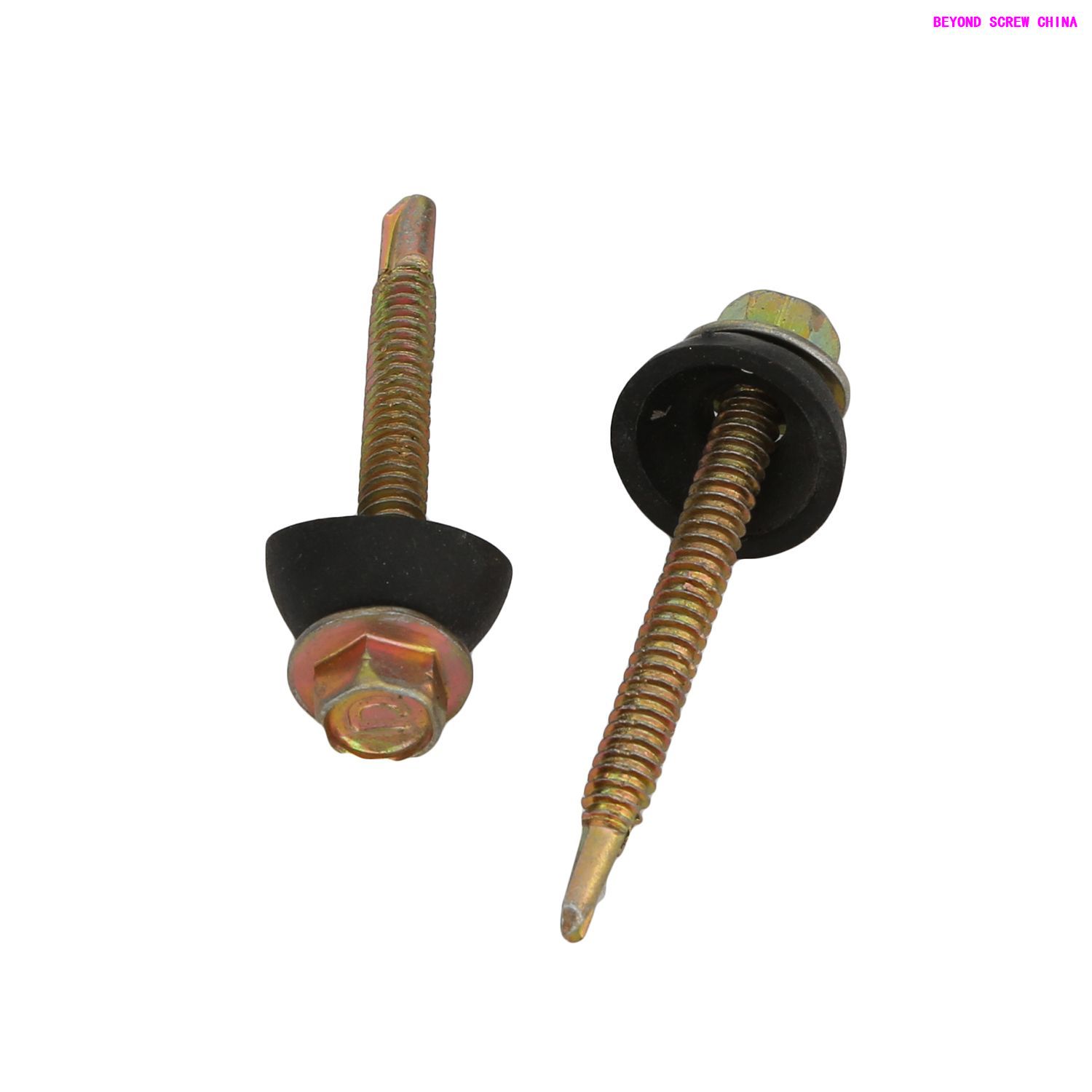
A bi-metal screw stands out because it combines two different metals in one fastener. You get the benefits of both strength and corrosion resistance. This design makes bi-metal screws a popular choice for construction, metalworking, and other demanding applications.
You will find that bi-metal screws use two main metals. The head and body are made from stainless steel. This metal resists rust and keeps your fastener looking good over time. The drill point uses hardened carbon steel. This part gives the screw the power to drill into tough materials like steel beams or thick metal sheets.
Here is a simple table showing the most common metals in bi-metal screws:
Component | Metal Type | Purpose |
|---|---|---|
Head and Body | Stainless Steel | Corrosion resistance |
Drill Point | Hardened Carbon Steel | Efficient drilling into hard materials |
If you need a screw that can handle moisture or outdoor conditions, you should consider bi-metal screws. The stainless steel part protects against rust, while the carbon steel tip makes installation quick and easy.
The structure of a bi-metal screw sets it apart from single-metal screws. You will notice that the upper part, including the head and shank, uses stainless steel. This section resists corrosion and keeps your project strong for years. The lower part, which forms the drill point, uses hardened carbon steel. This tip can penetrate steel structures and other hard surfaces with ease.
Manufacturers weld these two metals together during production. This process creates a strong bond and ensures the screw performs well in tough environments. Single-metal screws do not have this welded joint. They use one type of metal throughout, which limits their performance in some situations.
When you choose bi-metal self-drilling screws, you get a fastener that can drill, fasten, and resist corrosion all at once. You do not need to pre-drill holes, which saves you time and effort.
Tip: If you work in construction or metal fabrication, bi-metal screws can help you finish projects faster and with fewer problems from rust or weak fasteners.
You will notice clear differences in the material makeup of bi-metal screws and traditional steel screws. Bi-metal screws combine two metals to create a fastener that performs better in tough environments. The main part of a bi-metal screw uses AISI 300 series stainless steel. This section gives you excellent corrosion resistance and keeps your fastener strong in harsh conditions. The drill-point and the first tapping threads use hardened carbon steel. This part allows you to drill into tough materials with ease.
Here is a simple breakdown:
The stainless steel portion provides longevity and rust protection.
The carbon steel tip enhances the screw’s ability to penetrate hard surfaces.
The combination of metals means you get both strength and corrosion resistance.
Compare this to standard steel screws. Most traditional fasteners use C1022A or SUS 410 steel. These screws do not offer the same level of corrosion resistance or strength. You may find that they rust quickly in wet or salty environments and do not last as long.
Take a look at the table below to see the differences:
Aspect | Bi-Metal Screws (e.g., bi-metal self-drilling screws) | Traditional Fasteners (e.g., self-drilling screw) |
|---|---|---|
Material Composition | SUS 304/316/316L Stainless Steel + Alloy Steel SMC 435 | C1022A and SUS 410 |
Corrosion Resistance | High, enhanced by RUSPERT coating | Lower |
Mechanical Strength | High toughness and strength | Lower durability |
Surface Treatment | RUSPERT coating for superior protection | No advanced coating |
Note: The stainless steel body of bi-metal screws protects against rust, while the hardened steel tip makes installation fast and reliable.
When you use bi-metal screws, you get a fastener that outperforms standard steel screws in several ways. The combination of stainless steel and hardened carbon steel gives you enhanced strength and durability. You can rely on bi-metal screws to resist corrosion and last longer, even in aggressive environments.
Here are some key performance features:
Enhanced strength and durability due to hybrid materials.
Resistance to corrosion and delayed embrittlement failures.
Longer service life and greater reliability in harsh conditions.
The table below shows how bi-metal screws compare to traditional steel screws:
Property | Bi-Metal Screws | Traditional Steel Screws |
|---|---|---|
Corrosion Resistance | High (due to 300 series stainless steel) | Low |
Strength | Enhanced (due to hardened steel) | Standard |
Durability | Longer service life | Shorter service life |
Resistance to Embrittlement | Yes | No |
You will also see a difference in drilling ability. Bi-metal screws feature a hardened steel tip and a stainless steel shaft. This design lets you drill into tough materials like steel beams or thick metal sheets. Standard steel screws, made from carbon steel, may not drill as effectively and can rust quickly in wet or salty areas.
Feature | Bi-Metal Screws | Standard Steel Screws |
|---|---|---|
Material | Hardened steel tip + stainless steel shaft | Carbon steel |
Corrosion Resistance | High (resistant to rust) | Low (rusts quickly) |
Drilling Performance | Superior (can drill into tough materials) | Moderate (may not drill as effectively) |
Laboratory tests show that bi-metal screws offer much better corrosion resistance. Ultra S.S. anti-corrosion screws can last over 3,000 hours in salt spray tests, making them suitable for marine and harsh environments. Conventional bi-metal screws last between 240 and 1,000 hours, depending on surface treatment. Standard SUS 410 screws last less than 50 hours and are not suitable for humid conditions.
Screw Type | Corrosion Resistance | Salt Spray Test Period | Notes |
|---|---|---|---|
Ultra S.S. Anti-Corrosion Screw | High | Over 3,000 hours | Excellent long-term performance in harsh environments |
Conventional Bi-metal Screws | Medium | 240-1,000 hours | Requires surface treatment for improved performance |
SUS 410 | Low | Below 50 hours | Not suitable for long-term use in humid environments |
Tip: If you need a fastener for outdoor, marine, or industrial use, bi-metal screws give you the best combination of strength, corrosion resistance, and drilling ability.
You can count on bi-metal screws for impressive strength in demanding jobs. The unique design combines a hardened steel tip with a stainless steel body. This combination gives you high strength and ductility, so the screws hold up under heavy loads and resist breaking or bending. You can drill, shape, and tighten these screws in one step, which saves time and reduces mistakes during installation.
Tip: Bi-metal self-drilling screws let you fasten materials like steel or aluminum without pre-drilling. This makes your work faster and more reliable.
Bi-metal screws stand out for their corrosion resistance. The stainless steel body protects against rust, even in wet or salty environments. You will see less maintenance over time because these screws do not suffer from delayed embrittlement failures like some lower-grade fasteners. This means you can trust them for long-term use in outdoor or industrial settings.
Here is a quick comparison of benefits:
Benefit | Description |
|---|---|
Corrosion Resistance | Outstanding protection against rust and corrosion, even in harsh conditions. |
Strength | High strength and ductility for reliable fastening. |
Long Service Life | Durable design reduces the need for replacements. |
You will find bi-metal screws used in many industries because of their strength and corrosion resistance. They work well in construction, metal roofing, solar panel mounting, and steel framing. You can also use them in cable, food, and textile industries, where durability and resistance to chemicals or moisture matter most.
Some common uses include:
Coastal warehouses and offshore structures
Solar panel frames and HVAC systems
Plastic moulded furniture and PVC pipe installations
Note: Bi-metal screws save you time and money by allowing fast installation and reducing labor costs. You get a reliable self-drilling screw that performs well in tough environments.
You gain several unique advantages when you choose bi-metal screws for your projects. These fasteners combine the best features of stainless steel and hardened steel, making them stand out in demanding environments. Here are some reasons why many professionals prefer bi-metal screws:
You benefit from excellent corrosion resistance, especially in harsh or outdoor settings. The 300 series stainless steel body protects your structures from rust and weather damage.
You avoid hydrogen-induced stress corrosion failures. This feature increases the durability of your installations and reduces the risk of unexpected breakdowns.
You can drill and tap quickly into tough materials like steel and aluminum. The special design of bi-metal screws improves mechanical performance and saves you time on the job.
You take advantage of recent innovations. New patented techniques and advanced surface treatments have improved rust prevention and made production more efficient. Some bi-metal screws now include wear-resistant coatings and smart monitoring systems, which can reduce maintenance costs by up to 30%.
You get enhanced toughness and fracture resistance. This makes bi-metal screws reliable for complex or high-stress applications.
Note: Material science breakthroughs, such as composite alloys and nanostructured surfaces, have set new standards for performance in high-temperature and high-pressure environments.
When you evaluate the cost of bi-metal screws, you should look beyond the initial price. These fasteners offer long-term savings and efficiency, especially in large-scale construction projects. The table below highlights the main factors that influence cost-effectiveness:
Factor | Description |
|---|---|
Initial Cost | Depends on the type of metal, manufacturing processes, and product size and complexity. |
Long-Term Maintenance Costs | Influenced by corrosion resistance, environmental conditions, and frequency of use. |
End-of-Life Disposal Cost | Costs associated with recycling or disposing of the metal at the end of its lifespan. |
You will notice that bi-metal screws reduce drilling time significantly. For example, when installing color-coated steel sheets, you can penetrate 6mm thick galvanized steel in under 8 seconds. Traditional screws may take almost twice as long. This efficiency speeds up your installation process and lowers the need for frequent drill bit replacements.
You save money on labor and maintenance because bi-metal screws last longer and require fewer replacements.
Superior corrosion resistance extends the service life of your structures, especially in harsh environments.
Enhanced durability means you spend less on repairs and replacements over time.
Tip: Although the initial cost of bi-metal screws may be higher, the long-term benefits and reduced maintenance make them a smart investment for demanding projects.
You now know that bi-metal combines two types of steel for better performance. Professionals choose these screws for several reasons:
They last longer and support sustainability by reducing replacements.
Special coatings protect against all types of corrosion.
You get a long service life and strong resistance to breaking.
Quick drilling and tapping save you time on tough jobs.
Industries like automotive and machinery have reported fewer failures and lower costs after switching. You benefit most from these screws in demanding environments where strength and corrosion resistance matter.
You get two metals in one fastener. The stainless steel body resists rust. The hardened steel tip drills into tough surfaces. This design gives you better strength and durability than regular screws.
Yes, you can use bi-metal fasteners outside. The stainless steel body protects against moisture and rust. You get reliable performance in rain, snow, or salty air.
You can use bi-metal screws for metal-to-metal fastening. The hardened steel tip drills through metal easily. The stainless steel body keeps your connection strong and rust-free.
You may pay more for bi-metal screws. You save money over time because they last longer and need fewer replacements. Their durability reduces maintenance costs.
You find bi-metal screws in construction, roofing, and solar panel installation. They work well in places with moisture, chemicals, or heavy loads. You get strong, long-lasting connections.


