
Views: 0 Author: Site Editor Publish Time: 2025-09-23 Origin: Site


You use bi-metal for tasks that demand both strength and resistance to wear. Bi-metal screw technology helps you fasten and secure materials in modern construction and manufacturing. The market for bi-metal products continues to grow, especially in industries like automotive, aerospace, and machine manufacturing.
In 2024, bi-metal band saw blades reached a market value of USD 544.5 million.
These blades cut structural steel, pipes, bronze, aluminum, and copper.
Consider how bi-metal can solve your toughest challenges and provide reliable performance.
Bi-metal products combine two metals for enhanced strength and wear resistance, making them ideal for demanding tasks.
Using bi-metal screws improves durability and corrosion resistance, reducing maintenance and extending the lifespan of your projects.
Bi-metal materials offer cost efficiency by lowering manufacturing costs and minimizing the need for frequent replacements.
Select bi-metal products based on specific application needs, considering factors like load requirements and environmental conditions.
Bi-metal technology is versatile, finding applications in construction, automotive, and industrial sectors, ensuring reliable performance.
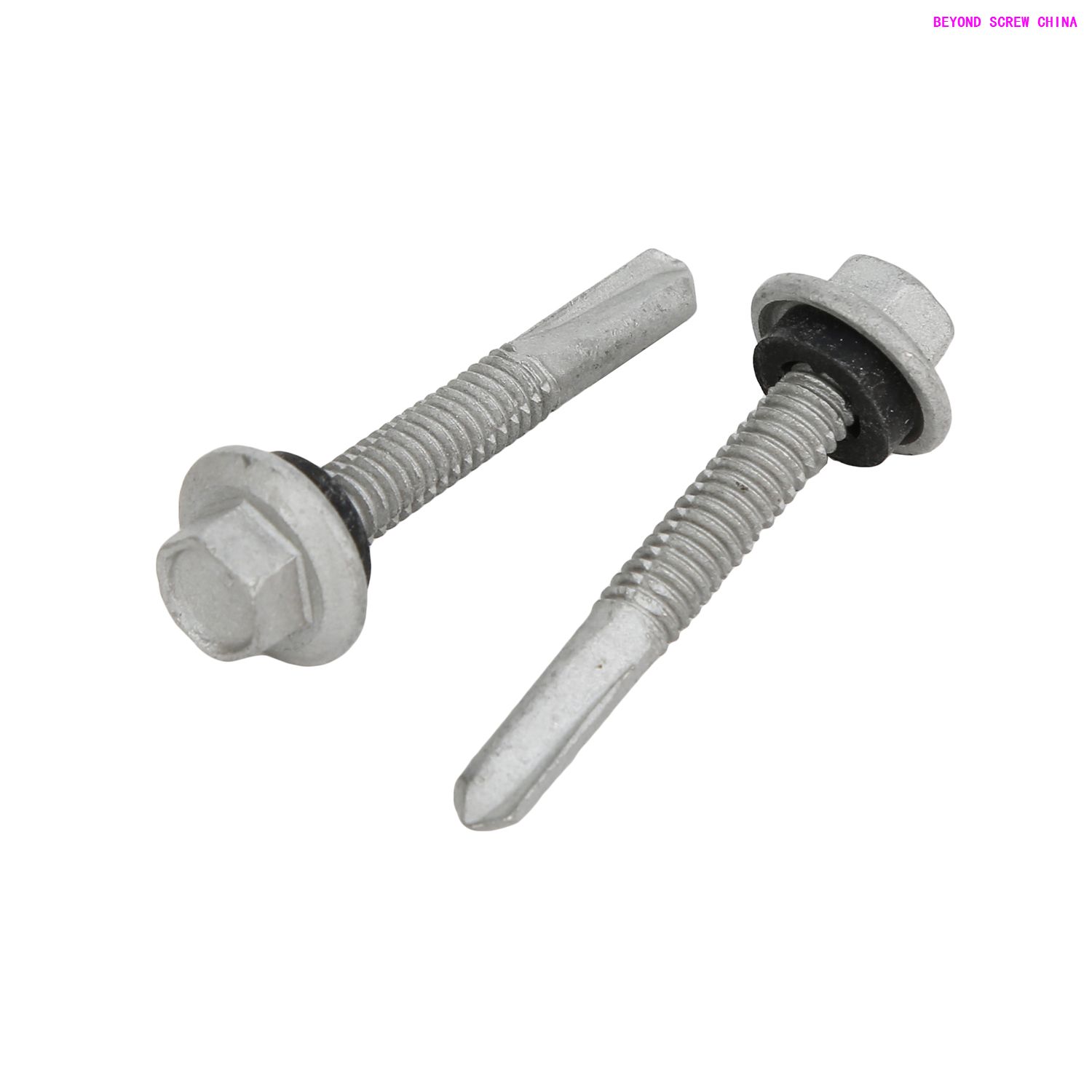
You encounter bi-metal materials in many industries because they combine two different metals to create unique properties. Manufacturers bond layers of metals such as brass and iron, nickel alloy and invar, aluminum and steel, copper and aluminum, or titanium and copper. This combination allows you to benefit from the strengths of each metal.
Active Component | Passive Component |
|---|---|
Brass | Iron |
Nickel alloy | Invar (Iron-Nickel alloy) |
Aluminum | Steel |
Copper | Aluminum |
Titanium | Copper |
You see bi-metal used in products like bi-metal screws, band saw blades, and thermostats. The layered structure gives you a material that performs better than single-metal alternatives. For example, bi-metal screws often feature a stainless steel body with a hardened alloy tip. This design lets you fasten materials securely while resisting corrosion and wear.
Tip: When you choose bi-metal, you get a product that combines the best features of each metal. This means you can use bi-metal screws in tough environments without worrying about rust or breakage.
You notice that bimetallic materials stand out because of their special properties. Unlike single-metal products, bi-metal combines two or more alloy layers. This gives you different coefficients of thermal expansion, varied internal resistance, and tailored performance for specific applications.
Feature | Bimetals | Single-Metal Alternatives |
|---|---|---|
Composition | Two or more different alloy layers bonded | Single type of metal |
Coefficients of Thermal Expansion | Differing CTE between layers | Uniform CTE |
Internal Resistance | Varies with type, affects performance | Consistent resistance |
Applications | Used in thermostats, circuit breakers | General metal applications |
You benefit from enhanced performance when you use bimetallic products. For example, combining aluminum’s low density with steel’s high strength creates lightweight yet robust structures. You also save money because bimetallic materials can be produced quickly, lowering manufacturing costs. Industries like healthcare, aerospace, and automotive rely on bi-metal for adaptability and design flexibility.
Advantage/Feature | Description |
|---|---|
Enhanced Performance | Bimetallic properties combine strengths of different materials for tailored designs. |
Improved Mechanical Properties | Aluminum’s low density and steel’s high strength lead to lightweight yet robust structures. |
Cost Efficiency | Bimetallic structures can be produced rapidly, reducing manufacturing costs. |
Adaptability in Various Sectors | Applications in healthcare, aerospace, and automotive industries benefit from bimetallic designs. |
Design Flexibility | Wire Arc Additive Manufacturing allows for complex geometries and customized features. |
Synergistic Combination | Aluminum and steel maximize the benefits of both materials for optimized performance. |
You find that bi-metal products, especially bi-metal screws, offer reliability and versatility. These properties make bi-metal a smart choice for demanding environments.
You rely on bi-metal screw technology when you need fasteners that stand up to tough jobs. Manufacturers design bi-metal screws using two metals: stainless steel and carbon or alloy steel. This unique construction gives you the best of both worlds. The stainless steel outer layer protects the screw, while the carbon steel core delivers high tensile strength. You get a fastener that resists bending and breaking, even under heavy loads.
Bi-metal screws feature a sharp drill bit made from high-speed steel. This tip allows you to penetrate hard surfaces like steel, aluminum, or composite panels without pre-drilling.
The self-tapping thread profile ensures a tight fit, so your installation stays secure over time.
Multiple manufacturing processes, such as heat treatment and surface coating, boost the screw’s durability and performance.
You see the difference when you compare bimetallic screws to single-metal alternatives. The table below shows how various bi-metal screw types perform under load:
Screw Type | Material | Load-Bearing Capacity | Additional Features |
|---|---|---|---|
#10-16 SD2 | 304 Stainless Steel | Light to Medium | Low hex washer for ACM and MCM framing |
#12-14 SD3 | 304 Stainless Steel | Medium | Added strength and deeper drilling capacity |
#12-24 SD5 | 304 Stainless Steel | High | Self-drills into metal up to 0.5" thick |
1/4-14 SD2 | 304 Stainless Steel | Best-in-class | High load-bearing and material strength |
Tip: Choose bimetallic screws for projects that demand both strength and reliability. You will notice fewer failures and longer-lasting results.
You often face environments where moisture, salt, or chemicals threaten your fasteners. Bi-metal screw design solves this problem by combining a stainless steel head and shank with a carbon steel core. The stainless steel layer provides excellent corrosion resistance, protecting your installation from rust and chemical damage.
316 stainless steel offers superior corrosion resistance, making it ideal for marine or coastal applications.
Ruspert® coatings further enhance the screw’s ability to withstand harsh conditions.
The bimetallic structure ensures that the screw maintains integrity over time, even in corrosive settings.
You benefit from using bi-metal screws in places like chemical plants, coastal buildings, or HVAC systems. The bimetallic composition keeps your fasteners strong and rust-free, so you spend less time on maintenance.
Note: When you select bi-metal screws, you invest in long-term performance. Corrosion resistance means your projects stay safe and secure, even in the toughest environments.
You see bi-metal products everywhere in construction. Builders rely on bi-metal screws for roofs and wall panels because these fasteners resist rust and last longer than standard options. You use bi-metal roofing screws when you need to secure metal panels in harsh weather. These screws protect your structure from corrosion and keep your building safe. You also choose bi-metal wood-to-metal screws when you join wood frames to steel supports. This combination gives you a strong and reliable connection.
Bi-metal screws work well for marine construction. You use them on boats and docks where saltwater exposure can cause rust.
In factories, you use bi-metal fasteners for electrical installations and heavy-duty framing. These screws hold up under stress and keep your equipment secure.
Tip: When you select bi-metal screws for your project, you improve safety and reduce maintenance costs.
Feature | Benefit |
|---|---|
Corrosion Resistance | Enhances longevity and reliability in harsh environments. |
Self-Drilling Capability | Reduces the need for additional tools, minimizing accident risks. |
Strong Grip | Ensures materials remain secure, preventing slips or failures. |
Long Life | Reduces the need for repairs, keeping workers safe from hazards. |
You depend on bi-metal in industrial and HVAC systems for strength and versatility. You use bimetallic screw and barrel components in extruder machines to process plastics, rubber, and chemicals. These parts withstand high pressure and temperature, giving you optimal extruder performance. You rely on bimetallic twin screw extruders for mixing and shaping materials in factories. The bimetallic screw and barrel design resists wear and corrosion, so your extruder machine runs smoothly.
In HVAC systems, you use bi-metal to maintain comfortable indoor temperatures. Bi-metal controls heating elements in ovens, refrigerators, and water heaters.
You find bimetallic screw and barrel assemblies in industrial refrigeration equipment. These components connect dissimilar metals and create fluid-tight seals.
You use extruder machines with bimetallic screw and barrel parts to fabricate custom components for industrial systems.
Application Type | Description |
|---|---|
High Strength Transitions | Used for connecting dissimilar metals in refrigeration equipment, addressing sealing and corrosion challenges. |
Roll Bonding Process | Produces a permanent bond of dissimilar metals, resulting in high strength fluid-tight components. |
Custom Fabrication | Capabilities to fabricate and test ready-to-use components for industrial refrigeration systems. |
You rely on bimetallic materials in safety devices like fire alarms and circuit breakers. These products protect your facility and keep workers safe.
You use bi-metal in the automotive sector for enhanced performance and reliability. Manufacturers use bimetallic screw and barrel assemblies in extruder machines to produce steering gear, power steering, and pedal bearings. These components resist wear and extend the life of your vehicle. You find extruder machine technology in the production of engine parts and cooling systems. Bimetallic materials regulate engine temperature and control coolant flow.
You use extruder machines with bimetallic screw and barrel parts in household appliances. These machines shape and process plastics for ovens, refrigerators, and water heaters.
You rely on bi-metal in electronics for lead-free soldering. Bismuth replaces lead in soldering alloys, making your devices safer for the environment.
You see bi-metal in aerospace applications. Specialized alloys withstand high temperatures and resist corrosion, keeping aircraft safe.
You use bi-metal in green energy solutions. Thermoelectric materials convert heat into electricity, helping you save energy.
Lead-free soldering protects your health and the environment.
Alloys in aircraft and automotive manufacturing improve safety and durability.
Green energy solutions use bi-metal to generate electricity from heat.
Note: When you choose bi-metal products, you gain versatility and reliability across many industries. You improve safety, reduce costs, and extend the life of your equipment.
You gain several important advantages when you choose bi-metal materials for your projects. These materials combine two metals, giving you properties that single-metal products cannot match. When you use bi-metal in an extruder, you notice better performance and reliability.
Bi-metal materials show superior friction and wear resistance. You see less damage and longer life, even in demanding environments.
The dual-layer design of bi-metal products gives you a higher load-bearing capacity. This design spreads the load evenly, so your equipment handles more stress.
Bi-metal can withstand a wider range of temperatures. You keep your extruder running smoothly, even when conditions change.
You often find that bi-metal helps your extruder maintain performance where traditional materials might fail. This means you spend less time on repairs and more time getting work done.
Tip: If you want your extruder to last longer and work better, consider switching to bi-metal components.
You save money and time when you use bi-metal products in your extruder systems. These materials resist wear better than standard options, so you replace parts less often. You also benefit from improved heat retention, which helps your extruder maintain even temperatures and prevents material breakdown.
Enhanced durability means your extruder barrels last longer, reducing the need for frequent replacements.
Better thermal conductivity ensures even heating, which protects your materials and keeps your process efficient.
Reduced maintenance saves you time and lowers your operational costs.
Here is a comparison to help you see the difference:
Feature | Bimetallic Products | Single-Metal Alternatives |
|---|---|---|
Longevity | Enhanced due to combined properties | Limited to single material properties |
Durability | Higher due to the use of two metals | Varies based on the single metal used |
Economic Benefits | Reduced operational and maintenance costs | Higher costs due to material limitations |
Performance | Improved through material combination | Dependent on the properties of one metal |
Application in Automotive | Used in exhaust and cooling systems | Typically not used in high-performance applications |
You may pay more at first for bi-metal parts, but you quickly see the savings from fewer replacements and less downtime. Your extruder works longer and more efficiently, giving you better results and lower costs over time.
You want to choose the right bi-metal product for your project. Start by looking at the physical, mechanical, and chemical properties of each option. Density, thermal conductivity, and electrical conductivity affect how your bi-metal plate performs. Strength, hardness, and ductility help you decide if the product will last under stress. Corrosion resistance and chemical reactivity matter when you work in harsh environments.
Check the specific needs of your application. If you work in automotive or aerospace, you need bi-metal with high durability and performance.
Compare the cost with the expected lifespan. Sometimes, a higher upfront cost saves you money over time.
Review industry standards before you buy. These standards help you pick products that meet safety and quality requirements.
Standard | Description | Importance in Selection |
|---|---|---|
ISO 9001 | Quality management systems standard | Ensures consistent quality in manufacturing processes. |
RoHS | Restriction of Hazardous Substances standard | Ensures materials are safe and environmentally compliant. |
ASTM F543 | Standard specification for screws used in medical devices (US) | Ensures suitability for specific applications. |
DIN 7504 | German standard for screws and fasteners | Ensures compliance with European market requirements. |
Tip: Always match the bi-metal product to your project’s environment. High humidity, temperature swings, and contaminants can speed up corrosion.
You need to match your bi-metal choice to the job. If you use an extruder in a factory, focus on load requirements and temperature conditions. High loads call for bearings with more contact area. High temperatures require solid lubricant bearings to reduce heat build-up. Construction type matters too. Choose solid or split butt constructions based on how you plan to install the part.
Aspect | Best Practice |
|---|---|
Load Requirements | Match bearings with increased contact area for high loads. |
Temperature Conditions | Use solid lubricant bearings for high-temperature applications to minimize heat build-up. |
Construction Type | Choose between solid or split butt constructions based on installation needs. |
Lubrication Methods | Design friction surfaces with oil grooves and pockets to adapt to various lubrication conditions. |
Chemical Composition | Adjust the inner surface alloy layer to meet specific pressure, temperature, and sliding speed needs. |
Environmental factors also play a role. Temperature affects moisture films, which can lead to corrosion. Relative humidity changes the rate of corrosion. Contaminants in the air or water can speed up damage to your bi-metal parts. If you use an extruder in a humid or contaminated setting, select bi-metal with high corrosion resistance.
You improve your results when you match the bi-metal product to your application. Your extruder runs longer, needs less maintenance, and delivers better performance.
Note: Take time to review all requirements before you choose. The right bi-metal product helps your extruder work efficiently and last longer.
You see bi-metal products deliver outstanding performance in construction, manufacturing, and automotive projects.
Superior wear resistance and corrosion protection help you reduce maintenance and extend lifespan.
Time-saving installation and self-drilling tips make your work easier.
Enhanced strength and versatility let you tackle tough jobs with confidence.
If you want to learn more, explore resources on bimetal blades, maintenance tips, and advanced joining methods. Review physical and mechanical properties to match bi-metal solutions to your needs.
You get a Bi-metal Screw with two metals bonded together. The stainless steel head resists corrosion. The hardened alloy tip gives you extra strength. This design helps you fasten materials in tough environments.
You use Bi-metal Screws in construction, HVAC, and automotive projects. These screws work well in places with moisture, chemicals, or heavy loads. You can rely on them for roofs, wall panels, and industrial machines.
You benefit from the stainless steel layer in Bi-metal Screws. This layer protects against rust and chemical damage. You see longer-lasting fasteners, especially in coastal or industrial settings.
Tip: Choose Bi-metal Screws for outdoor projects. You will reduce maintenance and improve safety.
You can install Bi-metal Screws directly into metal or composite panels. The sharp drill tip lets you skip pre-drilling. You save time and effort during installation.
You pay more for Bi-metal Screws at first. You save money over time because they last longer and need fewer replacements. You also spend less on repairs and maintenance.
Feature | Bi-metal Screw | Regular Screw |
|---|---|---|
Corrosion Proof | ✅ | ❌ |
High Strength | ✅ | ❌ |
Long Lifespan | ✅ | ❌ |


