


A bi-flex screw uses a bi-metal design to give you reliable performance in tough environments. You get a self-drilling screw made with 300 series stainless steel, which means high corrosion resistance for both steel and aluminum jobs. Unlike standard screws, a bi-metal screw features a hardened point for easy drilling and a stainless body for long-lasting strength.
When you choose a bi-metal screw, you gain these benefits:
Superior corrosion resistance, even in harsh settings
Enhanced strength and ductility
Lower maintenance and fewer replacements over time
Material Type | Corrosion Resistance Level |
|---|---|
300 Series Stainless Steel | High |
Carbon Steel | Low |
410 Series Stainless Steel | Moderate |
Bi-metal screws combine stainless steel and hardened steel for strength and corrosion resistance, making them ideal for tough environments.
These screws feature a self-drilling tip, allowing for quick installation without pre-drilling, saving you time on projects.
Choose bi-metal screws for outdoor and high-moisture applications to ensure long-lasting performance and reduce maintenance needs.
When selecting screws, consider the materials and environmental conditions to ensure optimal performance and durability.
Proper installation techniques, like using the right tools and avoiding over-tightening, enhance the effectiveness and lifespan of bi-metal screws.
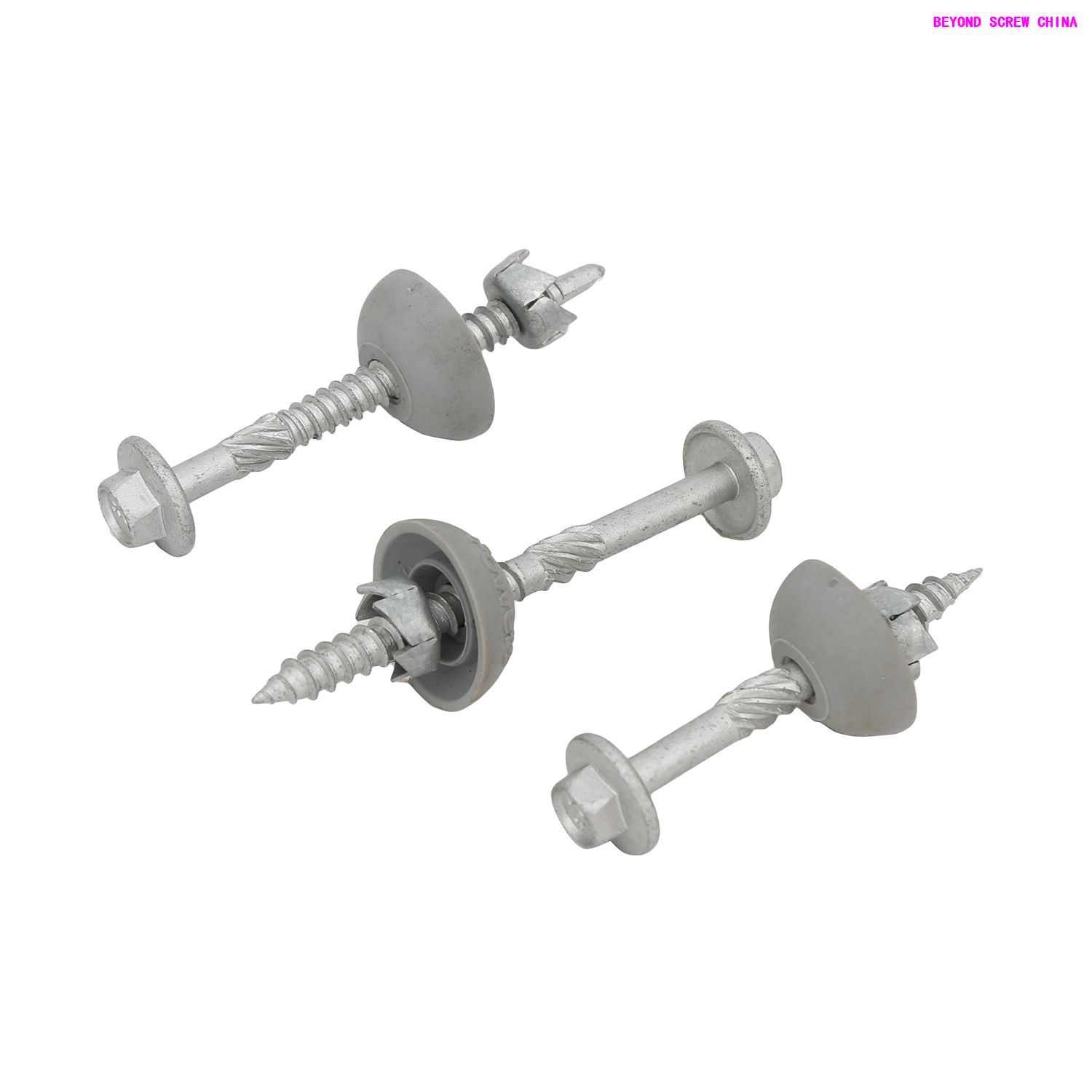
When you look at bi-metal screws, you see a smart combination of metals. Manufacturers use different metals to give each screw the best balance of strength, corrosion resistance, and performance. Here are the most common metals you will find in bi-metal screws:
Carbon steel gives the screw core strength and durability.
Stainless steel provides corrosion resistance, which is essential for outdoor or high-moisture environments.
High-speed steel offers heat resistance, making it ideal for drilling applications.
Galvanized steel adds a zinc coating for extra corrosion resistance, especially in outdoor settings.
Aluminum keeps the screw lightweight and rustproof for weight-sensitive jobs.
Copper delivers excellent electrical conductivity and corrosion resistance for electrical work.
The combination of these metals in bi-metal screws boosts their performance. You get a screw that can handle tough jobs, resist rust, and last longer than single-metal screws. The bi-metal structure means you can use these screws in many different environments, from construction sites to automotive repairs.
Tip: If you need a screw for a wet or corrosive environment, choose a bi-metal screw with a stainless steel outer layer. This layer protects against rust and keeps your project strong over time.
You will notice several key features of bi-metal screws that set them apart from regular screws. The head, shaft, and threads use rustproof stainless steel, which gives you reliable corrosion resistance. The drill point uses hardened steel, so you can drive the screw directly into steel or aluminum without pre-drilling.
The design includes:
A self-drilling tip made from hardenable steel. This tip lets you drill through tough materials quickly.
Specialized thread geometry. The threads grip sheet metal tightly and create a clean, secure hold.
A stainless steel body. This part resists rust and keeps the screw strong, even in harsh conditions.
A combination of materials. The bi-metal construction means you get both strength and corrosion resistance in one screw.
Manufacturers use advanced processes like heat treatment and thread rolling to improve the mechanical properties of bi-metal screws. These steps make the screws stronger and more resistant to fatigue. You can rely on bi-metal screws for load-bearing applications, such as roofing, siding, and metal framing.
Feature | Bi-Metal Screws | Single-Metal Screws |
|---|---|---|
Corrosion Resistance | Superior due to advanced coatings | Limited |
Strength and Ductility | High due to combined materials | Varies by material |
Efficiency in Drilling and Tapping | All-in-one process | Multiple steps required |
Application Versatility | Suitable for dissimilar metals | Limited to specific metals |
Laboratory tests show that bi-metal screws maintain their tensile-shear force even after weeks of exposure to corrosive environments. You can trust these screws to hold up in both dry and wet conditions.
Recent advancements in bi-metal screw design include bimetal fittings with high thermal conductivity and chemical resistance. Some screws use aluminum bodies with stainless steel seal faces, giving you even more options for specialized applications.
If you want a screw that combines strength, corrosion resistance, and easy installation, bi-metal screws are the best choice. You get a product that works in many settings and lasts longer than traditional screws.
When you use bi-metal screws, you take advantage of a unique self-drilling mechanism. The tip of each screw is made from hardened carbon steel. Manufacturers heat and quench this drill point, giving it the strength to penetrate high-strength materials like construction steel up to 18 mm thick. You do not need a separate drill bit or pre-drilling step. The screw cuts through metal and taps threads in one motion.
Component | Material Type | Function |
|---|---|---|
Main part | AISI 300 series SS | Provides corrosion resistance and structural integrity |
Drill point and first threads | Hardened Carbon Steel | Drills and taps into high-strength materials |
You get a screw that combines the best qualities of stainless steel and alloy steel. The stainless steel body resists rust, while the hardened tip powers through tough surfaces. This design saves you time and effort on every job.
The drill point is selectively heated and quenched.
This process gives the drill point the necessary hardness to penetrate construction steel up to 18 mm.
The stainless steel part retains high corrosion resistance.
When you compare installation times, bi-metal screws outperform conventional self-drilling screws. You can install each bi-metal screw in less than 8 seconds, while standard screws may take up to 15 seconds. The drill point lasts longer, letting you use one screw for more than 200 installations before the tip wears out. You finish projects faster and reduce tool wear.
Type of Screw | Average Time per Screw | Drill Bit Longevity |
|---|---|---|
Conventional Self-Drilling | 15 seconds | 50 screws |
Bi-metal Screws | < 8 seconds | > 200 screws |
Tip: If you want to speed up installation and avoid extra steps, choose bi-metal screws for your next project. You get a reliable fastener that drills, taps, and holds—all in one.
Bi-metal screws deliver outstanding performance in demanding environments. You get high pull-out strength, which means the screw holds tight even when exposed to wind, vibration, or heavy loads. This feature is critical for construction jobs, such as securing external beams or metal panels. You do not have to worry about the screw loosening or failing under stress.
The combination of a stainless steel body and hardened carbon steel tip gives you superior shear strength. For example, screws like FastenMaster LOK outperform traditional lag bolts in both strength and ease of installation. You can use bi-metal screws in roofing, siding, and framing applications where safety and stability matter most.
You combine the strengths of 304 stainless steel and alloy steel.
You tap threads into sturdy substrates without pre-drilling.
You get maximum rust protection for long-term durability.
Bi-metal screws resist corrosion, even in wet or salty environments. The stainless steel part shields the screw from rust, while the hardened tip maintains its drilling power. You can use these screws in outdoor construction, automotive repairs, and industrial settings. The bi-metal design ensures that each screw lasts longer and requires less maintenance.
Note: If you need a screw that performs well in both strength and corrosion resistance, bi-metal screws are your best choice. You get a fastener that stands up to tough conditions and keeps your project secure.
You see bi-metal screws used in many construction applications. These fasteners work well for curtain wall systems, window wall systems, and rain screen systems. You can use bi-metal roofing screws to secure metal panels and anchor structures in damp or coastal environments. The bi-metal construction gives you greater galvanic compatibility, especially when you fasten dissimilar metals like aluminum and steel. You drill and tap into steel or aluminum with ease, even when working with thick materials up to ½ inch.
Bi-metal screws offer high in-place value over the life of your building.
You reduce labor time and tool requirements because the self-drilling tip eliminates pre-drilling.
Bi-metal wood-to-metal screws let you fasten wood to metal frames quickly.
You get reliable corrosion resistance, so your fastener holds up in aggressive environments.
Tip: Choose bi-metal fasteners for exposed anchoring and outdoor projects. You protect your structure from rust and extend its lifespan.
Common Applications | Benefits of Bi-Metal Screws |
|---|---|
Windows, curtain walls | Galvanic compatibility, durability |
Metal roofing panels | Fast installation, corrosion resistance |
Solar panel systems | Long-term value, weather protection |
You find bi-metal screws in automotive manufacturing and other industries that demand strength and corrosion resistance. These fasteners combine a hardened steel tip for drilling and threading with a stainless steel body. You penetrate tough materials and resist environmental factors at the same time. In vehicles, bi-metal screws help assemble components that need both strength and protection from corrosion. You maintain safety and durability in areas prone to rust.
You use bi-metal screws for HVAC systems, aerospace applications, and marine equipment.
These screws ensure the integrity of equipment over long periods and in diverse conditions.
You benefit from reduced installation time and improved durability compared to traditional fasteners.
Note: Bi-metal screws are essential for maintaining the reliability of equipment in harsh environments. You get a fastener that stands up to moisture, vibration, and temperature changes.
Industry | Common Applications | Key Advantages |
|---|---|---|
Automotive | Vehicle assembly, body panels | Strength, corrosion resistance |
HVAC | System installation | Environmental durability |
Aerospace | Structural components | Lightweight, high performance |
Marine | Equipment mounting | Rustproof, long-lasting |
When you select bi-metal screws for your project, you need to match the screw to your materials and environment. You want a fastener that performs well and lasts. Here are important factors to consider:
Look for bi-metal screws with stainless steel shanks and hardened steel tips. These resist corrosion in marine and high-humidity environments.
Choose screws with special coatings if you expect exposure to chemicals or saltwater. These coatings add extra protection.
Consider the materials you will fasten. Bi-metal screws work with metal, wood, and composite panels. The carbon steel tip drills through tough surfaces, while the stainless steel body keeps strength.
Think about humidity, temperature, and chemical exposure. High temperatures and chemicals can speed up corrosion. Pick screws designed for these conditions.
You should check technical specifications before buying. The table below shows what to look for in bi-metal screws for metal-to-metal fastening:
Specification | Details |
|---|---|
Material | Carbon steel drill point with A2/A4 stainless steel shank |
Thread Type | Self-drilling |
Drill Capacity Max | 12mm through hard metal sheet |
Corrosion Resistance | Yes, due to stainless steel shank |
Induction Heat Treatment | Yes, to avoid sensitization of stainless steel material |
Tip: For marine applications, always choose bi-metal screws with stainless steel bodies and protective coatings. This ensures your fastener resists pitting and weakening over time.
Proper installation helps you get the best performance from bi-metal screws. You need to use the right tools and follow best practices. Here are common mistakes and how to avoid them:
Mistake | Description | How to Avoid | Consequences |
|---|---|---|---|
Using the Wrong Tools | Using improper tools can damage fasteners or lead to incomplete assemblies. | Use the correct tools for installation, such as torque wrenches and appropriate driver bits. | Damage to fasteners or materials, leading to compromised integrity. |
Over-Tightening or Under-Tightening | Both can weaken joints and damage fasteners. | Follow manufacturer specifications and use a torque wrench. | Thread stripping, deformation, or loose connections that may fail under stress. |
Ignoring Environmental Factors | Environmental conditions can lead to fastener degradation. | Choose materials resistant to corrosion and temperature extremes. | Premature failure due to rust or corrosion, weakening the assembly. |
You should always use the recommended driver bit and torque settings. This prevents damage and ensures a secure hold. Avoid over-tightening, which can strip threads or deform the screw. Under-tightening may cause loose connections that fail under stress.
Note: Check the environment before installation. If you work in high humidity or near chemicals, select bi-metal screws with the right coatings and stainless steel bodies. This protects your applications and extends the life of your fastener.
When you choose a bi-metal screw, you gain reliable performance for many applications. These screws offer high strength, quick drilling, and strong resistance to corrosion. You also benefit from a longer life cycle and protection against delayed embrittlement. The table below highlights why these screws stand out:
Benefit | What You Get |
|---|---|
Corrosion resistance | Lasting protection |
High strength | Secure, durable fastening |
Fast installation | Saves time on every project |
Consider your project needs and select bi-metal screws for dependable results.
A Bi-metal Screw uses two metals. You get a hardened tip for drilling and a stainless steel body for corrosion resistance. Regular screws do not offer this combination of strength and rust protection.
Yes, you can use Bi-metal Screws outdoors. The stainless steel body resists rust and corrosion. You get reliable performance in rain, humidity, and coastal areas.
You can use Bi-metal Screws with steel and aluminum. The hardened tip drills through both metals. The stainless steel body prevents galvanic corrosion when joining dissimilar metals.
Use the right driver bit and follow the torque settings from the manufacturer. Avoid over-tightening or under-tightening. This ensures your Bi-metal Screw holds strong and lasts longer.


