
Views: 0 Author: Site Editor Publish Time: 2025-10-23 Origin: Site


Have you ever grabbed a random screw for a heavy project, only to find it loosening or failing later? Choosing the right Heavy Duty Screw means matching its type, size, and material to your project’s needs. Studies show that the wrong choice can cause screw pull-out, which weakens the structure and reduces durability. In fact, 5% of fastener failures happen because of incorrect selection. Picking the right fasteners keeps your project safe and strong. Follow a clear process to make this choice simple and stress-free.
Choosing the right heavy duty screw is crucial for project safety and durability. The wrong choice can lead to structural damage and safety risks.
Always match the screw type, size, and material to your project needs. This simple step prevents costly mistakes and ensures strong connections.
Consider environmental factors like moisture and temperature when selecting screws. Use corrosion-resistant materials for outdoor projects to enhance longevity.
Check the load rating and strength of screws before use. Larger screws typically offer better holding power and resistance to shearing forces.
Use a checklist to guide your screw selection process. This helps ensure you choose the right fasteners for wood, metal, masonry, and outdoor applications.
When you select the wrong fasteners for your project, you risk more than just a loose connection. The consequences can be severe, especially in heavy-duty applications. The following table highlights common problems that arise when you use the incorrect types of fasteners:
Consequence | Description |
|---|---|
Structural Damage | Loosening, stripping, or breaking can tear apart building sections. |
Reduced Load-Bearing Capacity | Exceeding load limits causes shearing, bending, or breaking under heavy loads. |
Material Deformation | Over-tightening stretches fasteners beyond their elastic limit, causing permanent deformation. |
Safety Risks | Improper fasteners can harm structures, posing safety risks to users and occupants. |
You may also encounter issues such as corrosion when fasteners face moisture or chemicals. Using the wrong size or type can lead to stripping, splitting, or loosening over time. Over-tightening fasteners can stretch them, reducing their ability to bear loads. Excessive torque may weaken the material you secure, causing harm. In metal projects, stress fractures and warping can occur if forces exceed the fastener’s strength. Using the wrong heavy duty screw in load-bearing structures can result in suboptimal performance and even catastrophic failure. Choosing the right fasteners is crucial for safety and structural integrity.
When you focus on choosing the right fasteners, you protect your project and ensure long-term success. Proper fastener selection helps distribute loads evenly, preventing stress on any single area. You gain connection stability, which keeps building components secure under pressure. Fasteners resist forces like wind and seismic activity, maintaining stability. High-quality fasteners increase the durability and safety of your structure. For example, bimetallic screws provide a 30% longer lifespan than traditional options and offer superior strength and corrosion resistance. Investing in the correct fasteners reduces maintenance costs and the need for replacements.
The table below shows the measurable benefits of selecting the right heavy duty screw:
Benefit | Description |
|---|---|
High load capacity | Handles heavy loads by distributing force evenly. |
Durability in harsh environments | Resists environmental damage, leading to fewer replacements. |
Smooth and controlled motion | Provides consistent, linear movement for precision applications. |
Low maintenance | Robust construction means less wear and tear. |
Long service life | Self-locking features extend the lifespan of both screw and equipment. |
Tip: Always match your fasteners to your project’s needs. This simple step helps you avoid costly mistakes and keeps your work safe and strong.
When you choose the right screw for your project, you need to look at several important factors. These factors help you make sure your fasteners will hold strong, last long, and keep your work safe. Let’s break down the main points you should consider during screw selection.
You must always match the strength of your fasteners to the demands of your project. Heavy duty screws need to handle high loads and resist shearing forces. If you use the wrong type, your structure could fail. For structural applications, follow these steps:
Use hex head, flange head, or socket head screws for high-load and shear-resistance needs.
Avoid flat, button, or pan heads in critical joints.
Check that your screws meet safety standards like ASTM A325 or ASTM A490 for structural bolts.
Manufacturers test heavy duty screws for strength using a careful process. First, they measure the screw’s length. Next, they secure the screw in a tensile testing machine and apply a load close to its yield strength. After holding the load for a set time, they check if the screw stretches beyond a tiny limit. If it passes, you know it can handle tough jobs.
Larger screws usually have more pull-out and shear strength. This extra strength comes from their bigger surface area and deeper thread engagement. For heavy duty applications, always size up if you need more holding power.
Tip: Always check the load rating of your fasteners before starting your project. This step helps prevent failures and keeps your structure safe.
The material of your fasteners affects both performance and lifespan. You need to match the screw material to the materials in your project. Here’s a quick guide:
Material | Composition | Benefits | Use Cases |
|---|---|---|---|
Steel | Carbon steel, an iron and carbon alloy | Renowned for sturdiness and strength | Indoor tasks, machinery, automotive applications |
Stainless Steel | Iron alloy with at least 10.5% chromium | Excellent corrosion resistance | External construction, marine projects |
Brass | Copper and zinc alloy | Corrosion resistant, appealing appearance | Decorative projects, visible applications |
Titanium | Titanium alloys with aluminum or vanadium | High strength-to-weight ratio, corrosion resistant | Aerospace, medical implants, high-performance racing |
Polymer | Thermoplastic polymers like nylon, polypropylene | Good chemical resistance, lightweight | Electronics, food processing machinery |
The lifespan of heavy duty screws depends on both the screw material and the environment. Zinc-plated screws work well indoors but may rust in damp places. Galvanized screws last longer outdoors or in harsh conditions. If you use the wrong material, your fasteners may corrode or fail early. Always consider material compatibility as one of the main factors to consider when choosing fasteners.
Material | Compatibility with Fasteners | Impact on Performance and Longevity |
|---|---|---|
Steel | High | Good durability in most applications |
Stainless Steel | High | Excellent corrosion resistance |
Aluminum | Moderate | Lightweight but less durable |
Copper | Low | Prone to corrosion in certain environments |
Titanium | High | Very strong and corrosion-resistant |
Silicon Bronze | High | Good for marine applications |
Zinc-plated bolts work best indoors.
Galvanized bolts resist corrosion outdoors or near water.
The environment where you use your fasteners can change how long they last. Moisture, chemicals, and temperature swings all affect performance. You should look for corrosion resistance and temperature tolerance when you choose the right screw for your job.
Material selection matters. Many manufacturers now use recyclable and low-impact materials to meet environmental rules.
Surface treatments, like non-toxic coatings, help screws last longer and protect against rust.
Energy-efficient production methods reduce waste and emissions.
Recyclability is important. Screws made from recyclable materials support sustainability.
Corrosion resistance varies by screw type. Here’s a quick comparison:
Screw Type | Description | Best For | Why Use It | Downside |
|---|---|---|---|---|
Stainless Steel | Alloy steel with chromium for high rust resistance | Wet or marine environments | Top corrosion resistance, long lifespan | More expensive than galvanized screws |
Galvanized Screws | Steel with zinc coating | Outdoor construction, decks | Good corrosion protection, affordable | Zinc coating can wear off |
Silicon Bronze Screws | Copper, tin, and silicon alloy | Marine, boat building | Superior corrosion resistance, strong, attractive | Most expensive, less common |
Note: If your project faces rain, salt, or chemicals, pick fasteners with high corrosion resistance. This choice will save you time and money on repairs.
The size and type of your fasteners play a big role in how well they perform. Larger screws give you more holding power because they grip more material. You should always match the screw size to the thickness and type of material you are joining.
Screw Size | Common Uses | Notes |
|---|---|---|
#10 x 1-1/2" | Drywall into studs, heavy frames | Strong hold, prevents splitting |
#12 x 2" | Metal brackets, structural hardware | Extra grip strength for heavy connections |
#14 x 2-1/2" | License plates, decking clips | Great for outdoor use, use corrosion-resistant |
Material | Recommended Screw Type | Size Range (Common) | Notes |
|---|---|---|---|
Wood | Wood screws, coarse threads | #6 to #10, 1"–3" | Use longer screws for heavy loads |
Drywall | Drywall screws | #6 to #8, 1-1/4"–2" | Use anchors for heavy items |
Metal | Self-tapping or machine screws | #8 to #14, varies | Fine threads, pre-drill pilot holes |
Concrete/Brick | Masonry screws, anchors | 1-1/4"–3" | Use expansion anchors, hammer drills |
You will find many types of screws, each designed for a specific job. Wood screws have coarse threads for better grip in wood. Machine screws work best in metal. Masonry screws need anchors for brick or concrete. Always match the screw type to your material for the best results.
Callout: Proper screw selection means checking size, head type, threading, and material. This step ensures your fasteners will perform as expected and keep your project secure.
By considering these factors, you can choose the right screw for any heavy duty application. This careful approach to screw selection will help you avoid common mistakes and build safer, longer-lasting projects.
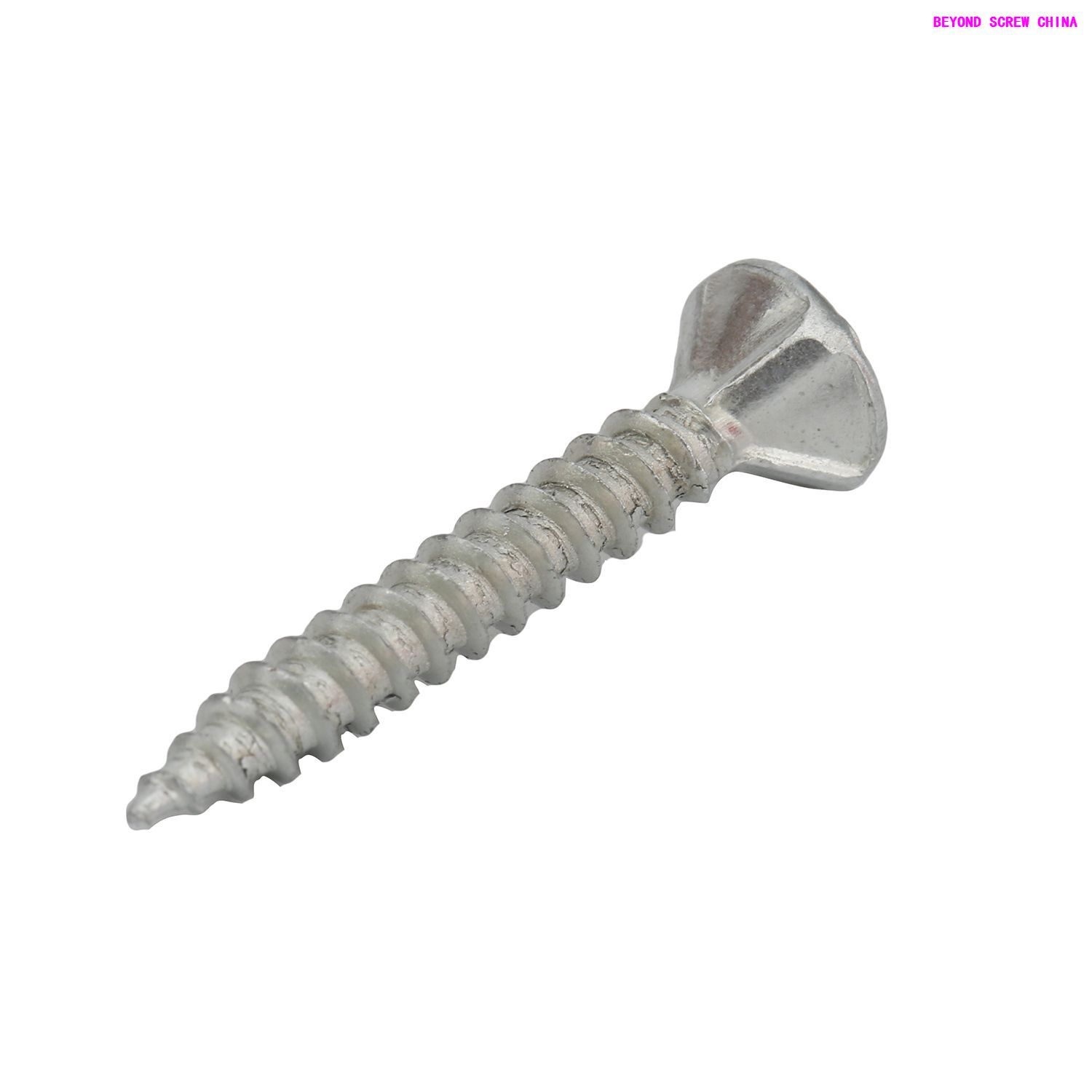
Selecting the correct fasteners for your project ensures strength, safety, and long-lasting results. Each material—wood, metal, masonry, or outdoor—requires a different approach. You need to follow a step-by-step process to choose the right screw for each application. This section guides you through the essential steps and recommendations for each major project type.
When you work with wood, you must consider the type of wood, the environment, and the specific job. Follow these steps to choose the right screw for wood projects:
Identify the Project Requirements
Determine if you are working with softwood, hardwood, or engineered wood. Decide if the project is for indoor or outdoor use.
Choose the Right Material
Select steel for strength, brass or bronze for decorative finishes, or stainless steel for outdoor durability.
Select the Screw Type
Use production screws for general carpentry or deck screws for outdoor decks and fences.
Determine the Head Type
Pick a head design that fits your needs. Bugle heads and trim heads create a flush finish, while pan or washer heads offer more holding power.
Consider Plating and Coatings
For outdoor projects, choose screws with weather-resistant coatings to prevent rust.
Carpentry experts recommend paying attention to several features during screw selection:
Head Types: Flat, pan, truss, and washer heads each serve a unique purpose. Flat heads sit flush, while truss heads distribute load.
Drive Types: Square, Phillips, and star drives help prevent stripping and make installation easier.
Shank/Thread: Fully or partially threaded shafts and different thread spacing affect grip and ease of driving.
Tip/Point: Fluted tips can bore into wood without a pilot hole.
Tip: For a smooth finish, use flat or trim head screws. For visible or decorative work, oval or round heads work best.
Metal projects demand careful screw selection to ensure strength and prevent corrosion. You need to match the fasteners to the type of metal and the job’s requirements. Consider these factors:
Material Compatibility: Always use fasteners that match or complement the metal you are joining. This prevents corrosion and maintains structural integrity.
Strength Requirements: For heavy-duty jobs, use higher grade bolts like Grade 8 or Grade 10. PEM nuts or weld studs add extra strength for demanding applications.
Environmental Conditions: If your project faces humidity, chemicals, or temperature swings, choose stainless steel or galvanized steel for corrosion resistance.
You will find several types of screws for metal work:
Machine Screws: Ideal for metal-to-metal fastening and precise applications.
Self-Drilling Screws: These eliminate the need for pre-drilling and save time.
Self-Tapping Screws: These create their own threads as you drive them in.
Sheet Metal Screws: Designed for thin metal sheets, they have sharp tips for easy insertion.
Sheet metal screws are fundamentally self-tapping. Their cutting edge at the tip makes a hole as you drive them in, so you do not need to drill a pilot hole.
For soft metals, use Type A screws with sharp threads. For harder metals, Type B screws with fine threads work better. Always check the strength and compatibility before you choose the right screw for your metal project.
Masonry and concrete projects require fasteners that can handle heavy loads and tough materials. You need to focus on weight capacity, length, head type, and material. The table below summarizes the main criteria:
Criteria | Description |
|---|---|
Weight Capacity | Choose screws that can handle the load of your project. |
Length | Ensure the screw penetrates both the fixture and the base material for a secure hold. |
Head Type | Select a head that matches your installation method and looks good for your project. |
Material | Use corrosion-resistant materials like stainless steel or coated steel for outdoor or wet conditions. |
For best results, make sure the screw length equals the thickness of the material being fastened plus at least 1 inch. The maximum embedment should be 1-3/4 inches into the masonry. You need a minimum embedment of 1 inch for a strong hold.
Heavy-duty screws for masonry, such as THD (threaded heavy duty), offer several advantages. They install faster than wedge-type anchors and require fewer steps. THD screws provide about 20% higher capacity in uncracked concrete and 5% higher in cracked concrete compared to similar anchors. They are less prone to installation errors and offer more flexibility.
Note: Always use a hammer drill for masonry screws and clean out the hole before installation. This ensures a secure fit and maximum holding power.
Outdoor projects face harsh weather, moisture, and temperature changes. You must choose the right screw with features that protect against these elements. Key features include:
Feature | Description |
|---|---|
Material | Use moisture- and weather-resistant materials to prevent deterioration. |
Coating | Select screws with anti-corrosion coatings or made from stainless steel for durability. |
Length | Match the screw length to your project’s needs for proper fastening. |
Gauge | Ensure the screw gauge provides enough strength for your materials. |
Specific Types | Use screws designed for outdoor use to enhance reliability and performance. |
You should also consider price, coating or finish, tip design, and structural rating for your specific application. Weather-resistant coatings, such as multi-layer exterior finishes, greatly improve corrosion resistance. These coatings prevent rust and extend the lifespan of your fasteners, even in harsh weather. Corrosion-resistant finishes also ensure compatibility with treated lumber, which is important for decks and fences.
While outdoor fasteners may cost more upfront, their durability can add decades to your project’s life. This investment saves you time and money on repairs and replacements.
Callout: Always choose the right screw for outdoor projects by focusing on material, coating, and compatibility with treated wood. This step ensures your structure stands strong against the elements.
By following these guidelines, you can confidently choose the right screw for wood, metal, masonry, and outdoor projects. Careful screw selection leads to safer, longer-lasting, and more reliable results for every job.
A quick checklist helps you make smart decisions when buying fasteners for your project. Follow these steps to ensure you select the right heavy duty screw every time:
Choose the correct type of screw for your material to avoid damage.
Select the right size for proper holding power without splitting or cracking.
Check screw features like drive type, head style, material, and thread pattern.
Pick specialty screws designed for your specific project to boost durability and reliability.
Tip: Always match the screw to your project’s needs. Careful screw selection prevents costly mistakes and keeps your work safe.
When you buy heavy duty screw products, look for these quality indicators:
Quality Indicator | What to Check For |
|---|---|
Material Inspection | Ask for a certificate to verify metal composition |
Surface Finish | Look for smooth, even coating without rust or flaking |
Dimensional Accuracy | Make sure screws fit your project’s requirements |
Mechanical Properties | Check tensile strength and hardness for load-bearing needs |
Thread Quality | Inspect threads for damage and proper form |
Head and Drive Type | Confirm the head and drive type match your tools and needs |
Supplier Reputation | Research reviews and certifications for reliability |
To avoid common mistakes, always check material compatibility, screw length, and thread type. Use corrosion-resistant fasteners for outdoor jobs. Lag screws support heavy loads, while self-tapping screws work well for metal. Remember, not all types of screws fit every job, so review your options before making a purchase.
You can make the right choice by following these steps: match the Heavy Duty Screw to your material, check size and strength, and review environmental needs. Always use the checklist before you buy. Matching screw features to your project keeps your work safe and strong. > Remember, the right Heavy Duty Screw leads to reliable, long-lasting results every time!
Heavy duty fasteners have thicker bodies, deeper threads, and stronger materials. You use them for projects that need extra strength and durability. These fasteners hold up under heavy loads and resist bending or breaking.
You should pick fasteners made from stainless steel or coated with weather-resistant finishes. These fasteners resist rust and corrosion. Always check the packaging for outdoor ratings before you buy.
You should avoid reusing heavy duty fasteners. Removing them can weaken the threads or damage the material. For safety and strength, always use new fasteners for each project.
You need a power drill, the correct driver bit, and sometimes a wrench. For masonry, use a hammer drill. Always match your tools to the fasteners you choose for the best results.
Fasteners can fail if you use the wrong material, install them incorrectly, or expose them to harsh conditions. Always follow the manufacturer’s instructions and choose fasteners that match your project’s needs.


